Border Collie with Witch Hat Embroidery Review
As an experienced embroidery designer who spends countless hours testing digitized patterns for my own boutique and client orders, I approach every new embroidery file with a mix of excitement and skepticism. The market is flooded with seasonal designs, but few strike the perfect balance between technical precision and emotional charm. Recently, I had the opportunity to put the Border Collie with Witch Hat design through its paces. This piece falls squarely into the Halloween category, yet it offers far more versatility than a typical spooky decoration. My goal in this review is to help you determine if this machine embroidery design deserves a spot in your production queue, whether you are an Etsy seller, a small shop owner, or a crafter looking to create unique keepsakes.
First Impressions: Charm Meets Technical Detail
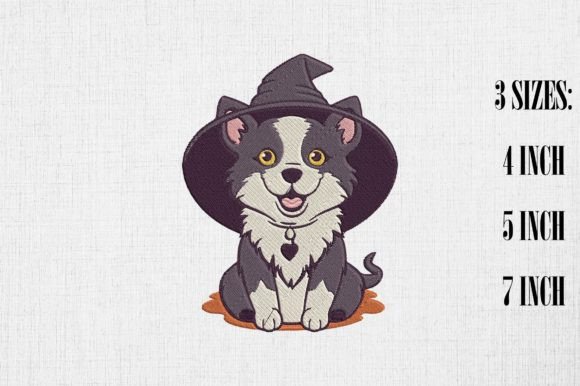
When I first opened the file and ran the preview, the immediate appeal of the Border Collie with Witch Hat was undeniable. Border Collies are renowned for their intelligence and expressive eyes, and this design captures that essence beautifully. The inclusion of the witch hat adds a playful, whimsical touch that feels both seasonal and timeless. Unlike many Halloween designs that rely heavily on dark colors and jagged edges, this pattern leans into a sweet, almost storybook aesthetic. It feels handmade, warm, and inviting.
The detail level is impressive. The fur texture of the collie is rendered in a way that suggests softness without requiring an overwhelming number of stitches, which helps prevent fabric distortion. The hat brim and facial features are distinct enough to be recognizable even from a distance, a crucial factor for items like tote bags or aprons. For a gift-oriented product, this emotional resonance is key. It doesn’t just look like a dog; it looks like a companion. This quality elevates the perceived value of the finished item, making it feel less like a mass-produced novelty and more like a thoughtful, personalized gift.
Perfect Applications for Personalized Gifts
One of the strongest selling points of this design is its adaptability across various product categories. While it is marketed under Halloween, its gentle vibe makes it suitable for year-round gifting in specific niches. Here is how I envision this design performing in real-world scenarios:
- Baby Embroidery and Nursery Decor: A subtle application of this design on a white or cream baby blanket can be adorable. The contrast of the black collar against light fabric works well. However, care must be taken with the hat details on delicate fabrics.
- Kitchen Towels and Aprons: This is perhaps the most natural fit. An embroidered towel featuring a Border Collie in a witch hat is a charming addition to any kitchen, especially for dog lovers who enjoy a bit of seasonal flair. It pairs wonderfully with autumnal color palettes.
- Wedding and Family Keepsakes: For a bride or groom who is a devoted dog parent, a custom pillow cover or a framed monogram using this motif can serve as a heartfelt wedding gift. It adds a personal touch that standard floral or geometric patterns lack.
- Tote Bags and T-Shirts: As a handmade product for craft fairs, this design stands out. It appeals to a broad audience, not just those strictly interested in horror-themed Halloween decor. It is playful enough to attract children and nostalgic enough for adults.
For digital product sellers, creating printable mockups of this design on various backgrounds can significantly boost engagement. Customers love to visualize how a digital embroidery file will look on their favorite items before purchasing.
Strategic Considerations and Fabric Limitations
While the design is versatile, there are specific areas where caution is required. Not every fabric behaves the same way, and understanding these limitations is what separates a professional result from a frustrating one.
Small Lettering and Delicate Details: If you plan to add names or dates alongside the dog, ensure the font size is large enough. The fine lines of the witch hat’s buckle or the dog’s eye highlights may fill in if the stitch density is too high or the fabric is too loose. Always test these elements individually.
Thick Towels and Textured Fabrics: When embroidering on terry cloth or thick fleece, the needle penetration can be challenging. You may need a stronger stabilizer to support the hoop and prevent the design from sinking into the pile. Conversely, on stretchy baby clothes, the tension must be perfectly calibrated to avoid puckering. A heavy stitch count here could distort the garment.
Dark Fabric and Thread Contrast: On dark fabrics, you will likely need a cut-away stabilizer and potentially a backing layer to prevent show-through. Ensure your thread colors provide sufficient contrast against the base fabric. White or gold threads often pop best on navy or black cottons, while pastels might get lost.
Frequent Washing: For items like aprons or towels that undergo frequent laundering, the durability of the embroidery is paramount. Loose threads or inadequate anchoring can lead to unraveling. Using proper stabilizer and trimming excess threads thoroughly after stitching is non-negotiable for long-term customer satisfaction.
Boosting Giftability and Customer Trust
In the world of online sales, trust is built through transparency and quality. Displaying high-quality photos of the finished product is essential. Show close-ups of the stitch work to demonstrate the clarity of the thread colors. Highlight how the design sits flat on the fabric, indicating good stabilization techniques.
This design enhances commercial embroidery potential because it taps into two powerful trends: pet ownership and seasonal customization. By offering this as part of a bundle—for example, a "Halloween Dog Lover" package—you can increase the average order value. The emotional connection buyers feel toward their pets means they are willing to pay a premium for a custom embroidery piece that reflects their family member.
Practical Embroidery Notes for Success
Before adding this to your commercial inventory, I recommend following these practical steps:
- Test on Scrap Fabric: Always run a test stitch on the exact fabric you intend to use. Check for any color bleeding or fabric distortion.
- Check Stitch Density: Review the digitization to ensure the density is appropriate for the chosen fabric weight. Too dense, and the fabric will stiffen; too sparse, and the backing may show.
- Confirm Hoop Size: Verify that your machine’s hoop can accommodate the design dimensions with adequate margin for handling.
- Compare Light and Dark Mockups: Create digital mockups showing the design on both light and dark backgrounds to help customers visualize options.
- Review Commercial Licensing: Crucially, confirm the commercial licensing terms before selling finished products. Some designers restrict the number of units you can sell or require a specific license type.
If any of these details—such as the exact stitch count, file format compatibility, or specific license terms—are missing from the product description, reach out to the designer or check the documentation carefully. Ambiguity here can lead to unexpected costs or legal issues down the line.
Final Verdict
The Border Collie with Witch Hat is a standout piece in the Halloween embroidery niche. It combines technical reliability with genuine charm, making it an excellent choice for small shop products targeting pet lovers and holiday shoppers. Its versatility allows for creative applications ranging from nursery decor to kitchen textiles. By paying attention to fabric selection, stabilization, and presentation, you can turn this simple design into a high-value, emotionally resonant product that customers will cherish. Whether you are updating your Etsy listings or preparing for the fall craft fair season, this design is definitely worth testing in your hoop.