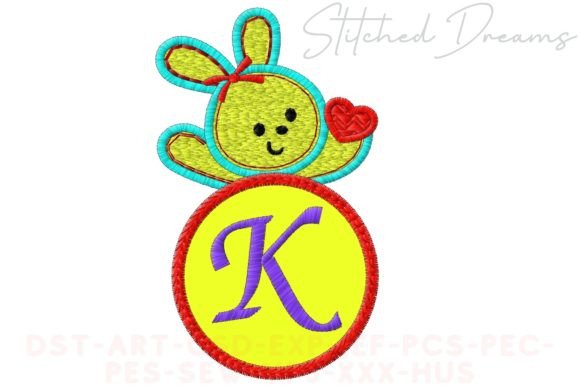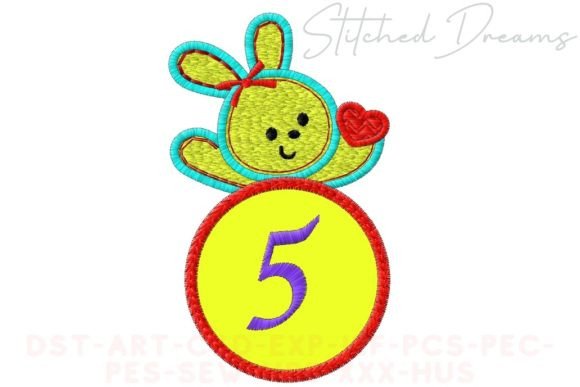
Bunny Applique Letter 5 Review
As an embroidery designer who spends weekends hunched over a booth table at craft fairs, I have learned that the difference between a "nice" item and a "bestseller" often comes down to one thing: immediate visual impact. You have about three seconds to catch a passerby’s eye before they move on to the next table. That is why I take every new digital embroidery file with a critical eye. Today, I am reviewing Bunny Applique Letter 5, specifically looking at its potential for our upcoming handmade market season.
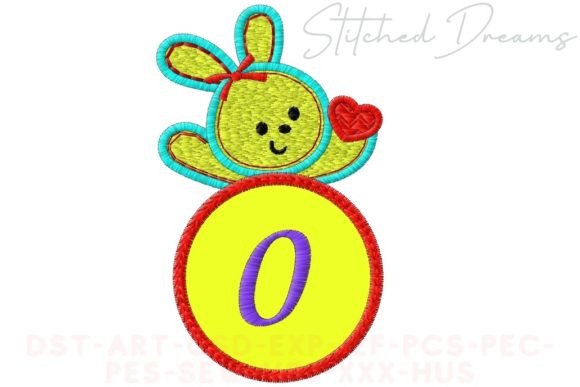
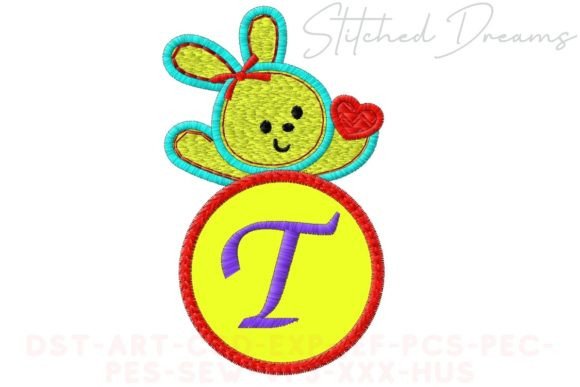
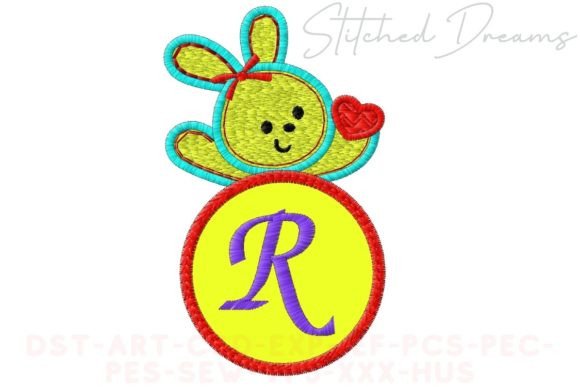
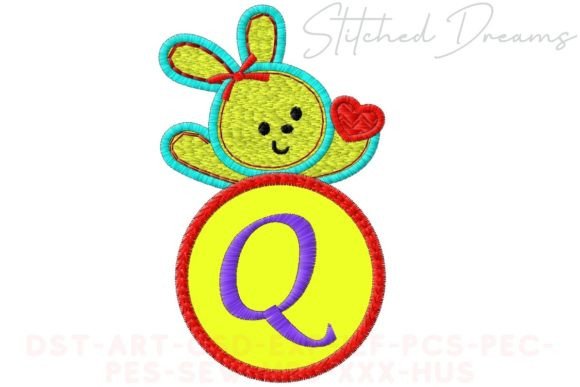
The product description introduces this as the charming digital embroidery design “Bunny Alphabet Whirl,” stating that it encapsulates the essence of cuteness and loveliness in a single stitch. While the title suggests a playful, perhaps whimsical aesthetic, my job is to determine if that whimsy translates into sales. Does it feel premium? Is it too busy? Will it photograph well for our online listings? Here is my professional breakdown of how this design fits into a commercial workflow.
First Impressions and Aesthetic Appeal
When you look at Bunny Applique Letter 5, the first thing that strikes me is its versatility. The term "applique" in the title is a huge green flag for craft fair sellers. Applique designs generally read as higher quality than simple satin-stitch lettering because they add texture and dimension. This suggests a finished product that feels substantial and thoughtfully made.
The description mentions a "heartwarming bunny motif," which places this firmly in the realm of soft, rustic, or modern farmhouse aesthetics. These are evergreen categories that perform exceptionally well in the clothing and home goods sectors. It does not feel overly trendy, which means it won’t look dated in six months. Instead, it has a timeless, gentle appeal that resonates with buyers looking for gifts for children, baby showers, or spring-themed decor. For an Etsy seller or boutique maker, this vibe is gold. It signals warmth and care, two emotions that drive impulse buys at physical markets.
Product Application: Where It Shines
In my experience, not every design works on every item. Bunny Applique Letter 5 has specific strengths that make it ideal for certain crafter fair products while being less suitable for others.
- Tote Bags: This is arguably the best use case. A large canvas tote provides a perfect neutral canvas for the applique work. The design can serve as a focal point on the front pocket or center panel. It photographs beautifully against natural fabrics like cotton or linen, making it a top contender for a tote bag design that drives traffic to your booth.
- Aprons and Tea Towels: Kitchen items are high-volume sellers. The "Letter 5" aspect suggests this might be part of an alphabet set, allowing customers to personalize aprons with their initials. However, on tea towels, you must ensure the design is scaled appropriately so the details don't get lost in the weave of the fabric. If the letter is too small, it loses its charm; if it is too large, it overwhelms the towel.
- Caps and Hats: Embroidering curved surfaces is tricky. If Bunny Applique Letter 5 has a complex outline, it may pucker on the structured front of a cap. I would recommend testing this on a scrap piece of hat material first. If the design is relatively flat with minimal dense stitching, it could work well as a cute accent on a baseball cap or bucket hat.
- Patches and Pouches: As an embroidered patch, this design has immense value. Patches are low-cost, high-margin items that are easy for customers to grab. They also travel well for shipping, which is crucial for an Etsy seller dealing with international orders. Small fabric pouches or makeup bags featuring this design can be priced at a premium due to the perceived effort of the applique technique.
- Pillow Covers: Home decor is a growing segment for handmade shops. A square pillow cover with Bunny Applique Letter 5 centered creates a lovely nursery or child’s room accent. The softness of the bunny motif pairs well with plush fabrics like velvet or chenille.
Production Practicality and Sales Strategy
From a production standpoint, efficiency is key. If a design takes twenty minutes to hoop, embroider, and clean up, your profit margins shrink. Applique designs often require more setup time because you need to place the base fabric correctly. However, once the machine is programmed, the actual embroidery process can be quite fast depending on the stitch density.
For batch production, consider how this design looks when repeated. Can you create a series using different letters from the same "Alphabet Whirl" family? Consistency in brand identity helps customers recognize your style. If Bunny Applique Letter 5 matches other letters in the set visually, you can offer custom name products, which significantly increases the average order value.
Photography is another critical factor. Because this design relies on texture (the applique), lighting will make or break your online listing. Ensure you capture close-up shots that show the thread colors and the layering of the fabric. A printable mockup can help visualize the final result, but nothing beats a real photo taken in natural light to show the true depth of the embroidery.
Technical Considerations and Careful Use Notes
Before committing to mass production, there are several technical hurdles to address. First, check the stitch density. If the bunny motif has large areas of solid fill, it may become stiff and unyielding, especially on lightweight clothing. For clothing applications, lighter density or openwork designs often feel more comfortable and professional.
Second, evaluate the color contrast. Applique relies heavily on the relationship between the base fabric and the thread. On dark fabrics, you may need a heavier stabilizer or a contrasting underlay to prevent the design from sinking into the fibers. Always test on the exact fabric you plan to sell. A tea towel embroidery project on white cotton will look very different than one on a textured beige linen.
Third, inspect the smallest details. If the "Letter 5" includes tiny decorative elements, these may disappear if the design is digitized too small. Avoid scaling down below the minimum recommended hoop size unless you have verified the clarity through a test run. Tiny details can also cause needle breaks or thread tangles, slowing down your production line.
Designer’s Checklist for Success
- Test on Scrap Fabric: Never assume a design will work perfectly. Run a test on the actual fabric type, including any interfacing or stabilizer you intend to use.
- Check Thread Contrast: Ensure the thread colors pop against the background fabric. Low-contrast threads can make the design look muddy.
- Confirm Hoop Size: Verify that your embroidery machine can accommodate the full dimensions of Bunny Applique Letter 5 without awkward re-hooping.
- Review Stabilizer Choice: Cut-away stabilizers are generally safer for applique to prevent distortion, but tear-away may work for stiffer fabrics.
- Create Real Mockups: Produce at least one finished sample to display at your booth. Physical proof builds trust with buyers.
- Verify Commercial Licensing: Before selling finished products, double-check the license terms of the digital embroidery file to ensure you are permitted for commercial use.
Final Verdict
Bunny Applique Letter 5 shows strong potential as a versatile handmade product. Its charming aesthetic aligns perfectly with current trends in nursery decor, personalized gifts, and rustic home goods. By focusing on high-quality materials like canvas totes and linen aprons, and by carefully managing production details like stitch density and stabilizer choice, you can turn this design into a reliable revenue stream.
For craft fair sellers, the key is presentation. Display the design on items that highlight its texture and charm. Let customers see the care that goes into every stitch. With proper preparation, Bunny Applique Letter 5 can be more than just a pretty picture—it can be a standout piece in your commercial embroidery portfolio.