Food Friends and Thanks Embroidery Review
As an embroidery designer, I spend a significant portion of my season scouting for designs that resonate with the emotional core of our holidays. When it comes to Thanksgiving, the vibe is rarely about extravagance; it is about warmth, gratitude, and the cozy intimacy of gathering around a table. This is where the Food Friends and Thanks design catches my eye. It is not just a graphic; it is a narrative piece that speaks directly to the heart of the holiday spirit. In this review, I will break down why this digital embroidery file deserves a spot in your seasonal product collection, how it performs across various mediums, and what practical considerations you must keep in mind before hitting the stitch button.
The First Impression: Mood and Aesthetic
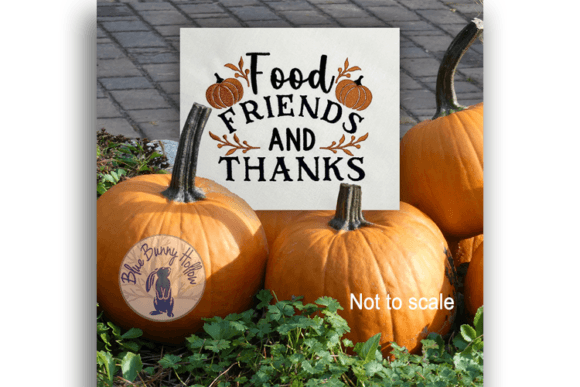
When you first load the Food Friends and Thanks design into your digitizing software, the immediate takeaway is its inviting nature. The title itself suggests a playful yet heartfelt connection between culinary joy and human connection. For the modern crafter or Etsy seller, this balance is crucial. Too rustic, and it feels dated; too modern, and it loses the traditional comfort associated with Thanksgiving. This design strikes a perfect chord, feeling both nostalgic and fresh.
The decorative style leans toward a friendly, approachable aesthetic. It captures the essence of the season’s warmth without being overly ornate. This makes it versatile enough for a wide range of customers who might be looking for something that feels festive but not cluttered. Whether you are creating items for a family reunion or a limited-time drop for small business owners, the visual recognition of this design is strong. It encapsulates the spirit of Thanksgiving by inviting viewers to embrace the beauty of shared meals and friendship. It feels premium yet accessible, which is a key driver for buyer emotion during the holiday shopping period.
Real-World Applications for Holiday Sellers
One of the most critical aspects of a successful machine embroidery design is its adaptability. Food Friends and Thanks shines when applied to products that are central to the Thanksgiving experience. Here is how I see it performing in real selling situations:
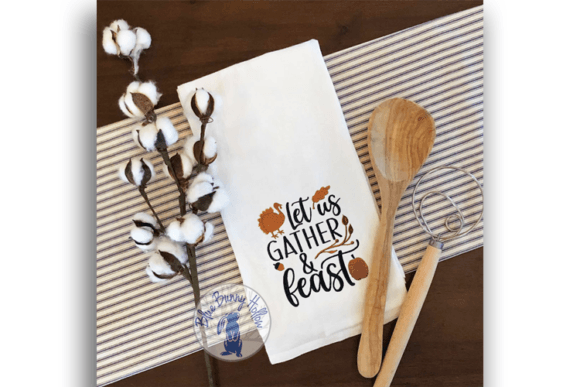
- Kitchen Textiles: This design is ideal for kitchen towel embroidery. The theme of food and friends pairs naturally with aprons and dish towels. Imagine a set of matching towels featuring this design sold as a gift bundle. It adds value and creates a cohesive look for home decor enthusiasts.
- Apparel and Accessories: For sweatshirt embroidery, this design works beautifully on crewnecks or hoodies intended for casual holiday gatherings. It also translates well to tote bags, making it a perfect tote bag design for guests bringing dishes to potlucks. The sturdy nature of canvas or cotton blends provides a great fabric texture contrast to the thread work.
- Home Decor and Baby Items: Consider using this on pillow covers for the dining room or nursery. It can serve as a personalized gift for new parents celebrating their first holiday with their little ones. The soft, grateful tone of the design fits well in baby items, offering a sentimental touch that buyers love.
- Patches and Ornaments: If you offer embroidered patch options, this design can be scaled down effectively. It works well as a decorative element on backpacks or hats, extending the life of the product beyond the holiday season.
From a marketing perspective, this design lends itself to excellent social media previews and printable mockup graphics. You can showcase it on a spread table setting or held by hands passing a plate of food, creating an emotional connection with potential buyers scrolling through their feeds. It enhances brand consistency if your shop focuses on wholesome, family-oriented themes.
Gift Bundles and Seasonal Appeal
In the world of Etsy sellers and small shop products, bundling is a powerful strategy. Food Friends and Thanks is highly giftable. You can create bundles that include a kitchen towel, an apron, and a matching ornament. This increases the average order value while providing the customer with a complete, thoughtful present. The design’s focus on gratitude and community aligns perfectly with the intent of holiday gifting, boosting customer trust and engagement.
Technical Considerations and Careful Usage
While the aesthetic appeal is high, any experienced designer knows that execution is everything. There are specific areas where Food Friends and Thanks requires careful handling to ensure a professional finished product.
First, pay close attention to the stitch density. Designs that feature intricate text or layered details can become muddy if the density is too high, especially on thicker fabrics like fleece sweatshirts or terry cloth towels. Always test on scrap fabric to ensure the details remain crisp. If the design includes tiny lettering, verify that it is legible at the chosen hoop size. Tiny elements can get lost or cause puckering if not digitized correctly.
Thread selection is another critical factor. To capture the full mood of the design, you should test thread colors on both light and dark fabric. Warm, earthy tones like burnt orange, deep red, and cream will enhance the Thanksgiving vibe, while metallic threads should be used sparingly to avoid stiffness or breakage. If you plan to use metallics, check the tension settings on your machine.
Stabilizer choice cannot be overlooked. For stretchy garments or curved caps, a cut-away stabilizer is often necessary to prevent distortion. For woven fabrics like cotton towels or pillow covers, a tear-away or wash-away stabilizer might suffice, depending on the weight of the design. Confirming the correct hoop size and stabilizer type beforehand saves time and reduces waste.
Limitations and Warnings
Be cautious when applying this design to items that require repeated washing. While the design is likely durable, excessive washing can wear down fine details over time. Advise your customers on care instructions to maintain the quality of their handmade gift. Additionally, avoid placing the design on highly textured surfaces where the needle might struggle to penetrate evenly, as this can affect the overall look of the embroidery.
Practical Designer Notes for Success
To maximize the potential of Food Friends and Thanks, follow these practical steps before launching your seasonal collection:
- Test Thoroughly: Stitch out multiple samples on different fabrics to evaluate how the design interacts with various textures.
- Check Licensing: Before engaging in commercial embroidery, confirm the commercial licensing terms of the digital embroidery file. Ensure you have the right to sell finished products made from this design.
- Create Realistic Mockups: Use high-quality images that show the design in context. A flat image is good, but a lifestyle shot showing the design on a styled table sets the scene for buyers.
- Plan Color Palettes: Develop a cohesive color story for your product line. Matching thread colors to your shop’s branding helps build recognition and professionalism.
- Review Small Details: Zoom in on the digitized file to check for any overlapping stitches or unnecessary jumps that could affect the final appearance.
By keeping these technical details in mind, you ensure that the emotional impact of the design is not undermined by poor execution. Food Friends and Thanks is more than just a pattern; it is a tool for connecting with customers during one of the most meaningful times of the year. With proper planning and attention to detail, this design can become a standout item in your seasonal embroidery offerings, driving sales and delighting recipients with its message of gratitude and friendship.