Good Old Fashioned Candy Canes: A Designer’s Review
As an embroidery designer who has spent years translating digital concepts into tactile, wearable art, I approach every new machine embroidery design with a critical eye. It is not enough for a file to simply stitch out; it must possess soul, balance, and commercial viability. Recently, I evaluated the Good Old Fashioned Candy Canes design for a potential limited-edition sweatshirt drop for a boutique brand. This review breaks down how this embroidery file performs in a real-world production scenario, focusing on aesthetics, technical execution, and market appeal.
First Impressions: Mood and Layout
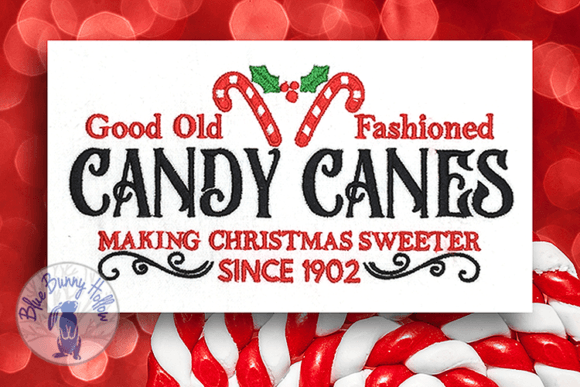
The title Good Old Fashioned Candy Canes suggests a nostalgic, whimsical theme, and the description promises a scene reminiscent of the North Pole filled with cookies, candies, hot chocolate, and canes. From a design perspective, this implies a dense, illustrative layout rather than a minimal logo. My initial assessment is that this design leans heavily into the decorative and playful categories. It feels less like a corporate holiday emblem and more like a cozy, handmade storybook illustration.
For a small clothing brand or an Etsy seller, this distinction is vital. The design evokes warmth and tradition. It does not scream "bold" in the streetwear sense, nor is it strictly "feminine" in a delicate lace way. Instead, it strikes a balance between rustic charm and modern cuteness. When visualizing the finished product, I see a design that invites touch—a key element for successful handmade products. The inclusion of multiple elements (cookies, hot cocoa) suggests a clustered composition, which works beautifully for chest placements but requires careful consideration of scale.
Application on Premium Sweatshirts
Sweatshirt embroidery presents unique challenges compared to woven fabrics. The fabric texture is thick, looped, and often uneven. Therefore, the stitch density of the Good Old Fashioned Candy Canes design becomes the primary factor in its success. If the design is too sparse, it will get lost in the fleece. If it is too dense, it may pucker or become stiff against the skin.
Neutral and Dark Fabrics
On neutral heather gray or cream sweatshirts, this design will likely pop with high contrast, especially if the thread colors include vibrant reds and whites typical of candy canes. However, on dark navy or black fabrics, the white elements might struggle for visibility unless a high-density underlay or specific thread sheen is utilized. For a boutique brand aiming for a premium look, pairing this playful design with a high-quality, heavyweight cotton-poly blend sweatshirt creates a striking juxtaposition between casual comfort and detailed craftsmanship.
Pastel and Oversized Fits
I envision this design thriving on oversized hoodies in pastel pink or mint green. The softness of the pastel fabric complements the "old-fashioned" sweet theme, creating a cohesive aesthetic that appeals strongly to younger demographics on platforms like Instagram and TikTok. For lifestyle product photography, placing the Good Old Fashioned Candy Canes on a model holding a mug would reinforce the "hot chocolate" narrative embedded in the design’s concept.
Technical Considerations for Commercial Use
Before adding this digital embroidery file to our production queue, several practical concerns must be addressed. As a professional, I cannot rely solely on the preview image; I must consider the engineering behind the stitches.
- Hoop Size and Placement: Given the descriptive nature of the design (featuring multiple items), the required hoop size is likely medium to large. Chest placement on a standard adult sweatshirt usually accommodates a 5x7 inch hoop comfortably. If the design exceeds this, it may need to be split or resized, which could compromise the integrity of the "North Pole scene."
- Stabilizer Choice: Sweatshirts require a robust stabilizer to prevent shifting and sinking. A cut-away stabilizer is non-negotiable for commercial embroidery on knit fabrics to ensure the finished product withstands repeated washing. The weight of the embroidery must be balanced by the stability provided.
- Small-Size Readability: One of the biggest risks with multi-element designs is losing detail when scaled down. If we attempt to use this as a sleeve accent or a small left-chest logo, the individual cookies and candies may merge into an indistinct blob. I recommend keeping this design at its intended scale for maximum impact.
- Washing Durability: High stitch counts can sometimes lead to thread breakage or fuzzing over time. The quality of the polyester threads used will dictate the longevity. For a small shop product meant to last, investing in premium thread brands is essential to maintain the crispness of the candy cane stripes.
Brand Identity and Market Positioning
In the crowded marketplace of custom apparel, visual recognition is currency. The Good Old Fashioned Candy Canes design offers a strong narrative hook. It tells a story of holiday nostalgia, which resonates deeply during the Christmas season. For an Etsy seller or a creative entrepreneur, this allows for compelling marketing copy that goes beyond simple product features.
Consider the customer journey: A buyer sees a mockup of a cozy sweatshirt featuring this charming scene. They feel an emotional connection to the "old-fashioned" vibe. This emotional resonance builds buyer trust and elevates the perceived value of the item. It transforms a basic garment into a piece of seasonal art. Furthermore, the design’s versatility allows for cross-promotion. It can serve as the centerpiece for a matching set—perhaps paired with a smaller, complementary motif on the sleeve or back neck, enhancing the design assets available for the collection.
Final Verdict for Boutique Collections
Overall, Good Old Fashioned Candy Canes is a strong candidate for a holiday-focused small shop product. Its strength lies in its illustrative quality and emotional appeal. It fits perfectly within the Christmas category, offering a fresh take on traditional motifs through the lens of embroidery.
However, success depends on execution. Ensure that the thread colors are carefully selected to match your brand’s palette while maintaining contrast. Verify the stitch density with a test run on your actual fabric stock to confirm that the hoop placement allows for the full design without distortion. And remember, always check the specific license terms before selling these items commercially.
If you are looking to add a touch of whimsy and warmth to your winter lineup, this design delivers. It bridges the gap between handmade product authenticity and professional apparel decorating standards. By leveraging the rich details of cookies, candies, and hot chocolate, you create more than just a sweatshirt; you create a keepsake that customers will want to wear year after year.