How I Cut Carbs Embroidery Review
As an embroidery designer who spends hours tweaking stitch density and selecting thread palettes, I am always on the lookout for designs that balance humor with technical execution. When I stumbled upon the How I Cut Carbs design on Creative Fabrica, my initial reaction was a mix of amusement and professional curiosity. It is not just another generic kitchen quote; it is a piece of personality waiting to be stitched onto fabric. For those of us creating handmade products, selling on Etsy, or building a boutique brand, finding assets that resonate with customers is half the battle. This review breaks down whether this machine embroidery design is worth adding to your digital library and how it performs in real-world commercial applications.
First Impressions: Mood and Visual Appeal
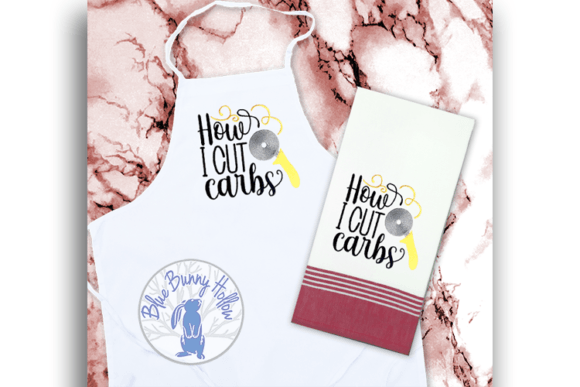
The phrase "How I Cut Carbs" immediately sets a lighthearted, relatable tone. In the world of home decor and apparel, humor sells because it connects. The visual mood of this design is casual and witty, making it perfect for kitchen-themed projects. From a design perspective, the layout appears clean, which is crucial for readability. When reviewing any embroidery file, I look for clarity in the lettering and balance in the composition. This design seems to prioritize legibility, ensuring that the joke lands clearly even when stitched at smaller sizes.
The decorative appeal lies in its simplicity. It does not rely on overly complex imagery but rather on the strength of the message. This makes it highly versatile. Whether you are designing a cozy apron for a home cook or a trendy tote bag for a market stall, the design fits naturally without overwhelming the base material. It feels like a staple in the Food category of embroidery files—something that complements other culinary-themed items while standing out as a standalone statement piece.
Performance in Real Embroidery Projects
I often test designs on various substrates before recommending them for commercial use. Here is how the How I Cut Carbs embroidery file might perform across different product types:
- Kitchen Towels and Aprons: This is the most natural fit. Cotton or linen blends provide a stable surface for stitching. The design’s humorous nature aligns perfectly with the chaos of cooking. For custom apparel like chef coats or casual aprons, this adds a touch of personality that customers love.
- Tote Bags and Sweatshirts: Canvas tote bags offer a great texture for embroidery. However, care must be taken with the hoop placement to avoid distortion. On sweatshirts, the soft fabric requires a good stabilizer to prevent puckering. The design works well here as a chest logo or centered back print.
- Pillow Covers and Home Decor: For framed art or pillow covers, the design serves as a charming accent. It pairs well with neutral backgrounds, allowing the thread colors to pop. This is excellent for seasonal gifts, particularly around holidays where food and gathering are central themes.
- Baby Items and Nursery Decor: While primarily a kitchen saying, the playful font could work on baby blankets or nursery wall hangings if interpreted as a fun, modern aesthetic. Just ensure the text is large enough to be readable from a distance.
Practical Considerations for Stitching
Not all designs are created equal, and technical details matter. Before committing to a production run, there are several practical aspects to consider when using this design.
Hoop Size and Density: One of the first things I check is the hoop size. If the design is too large for standard hoops, it may require re-hooping, which can lead to alignment issues. Additionally, I examine the stitch density. High-density areas can make fabric stiff, which is undesirable for items like aprons that need to drape comfortably. Conversely, low-density areas might show the backing through the fabric. Readers should inspect the stitch distribution carefully.
Fabric Compatibility: Texture plays a huge role. Stretchy fabrics like jersey require a strong cut-away stabilizer to maintain shape. Dark fabrics demand high-contrast thread choices; otherwise, the design may disappear into the background. Always test on scrap fabric that matches your final product material. Check thread color contrast by holding the thread spools up to the fabric under natural light.
Small Details and Lettering: Tiny lettering can be tricky. If the font used in "How I Cut Carbs" has fine serifs or thin lines, they may fill in during stitching, especially if the satin stitch width is too wide. Inspect small details after stitching to ensure clarity. If the design includes applique elements, verify that the placement stitches are accurate to avoid misalignment.
Impact on Product Value and Brand Trust
In the handmade and digital product seller space, presentation is everything. Using a well-executed design like How I Cut Carbs can significantly boost buyer trust. A clean, professional-looking embroidered patch or tote bag signals quality. Customers are more likely to leave positive reviews and return for future purchases when the finished product looks polished.
This design also enhances giftability. People love buying gifts that have a sense of humor. A personalized gift featuring this phrase can become a bestseller during holiday seasons. Furthermore, it aids in product photography. A funny, relatable design creates engaging content for social media, driving customer engagement and sales. It helps build a brand identity that is approachable and fun.
Final Verdict and Recommendations
Overall, the How I Cut Carbs design is a strong candidate for commercial embroidery projects. It offers a perfect blend of humor and versatility, suitable for a wide range of items from kitchen towels to custom apparel. However, success depends on proper execution.
To ensure the best results, follow these steps:
- Test Stitch: Always run a test on scrap fabric before starting a paid order.
- Check File Details: Verify the file formats and machine compatibility on the Creative Fabrica product page.
- Review Licensing: Confirm the license terms for commercial use. Ensure you are allowed to sell finished products made with this digital embroidery file.
- Use Proper Stabilizer: Match the stabilizer type (cut-away vs. tear-away) to the fabric weight and stretch.
- Inspect Finishing: After stitching, remove excess backing and trim loose threads for a professional finish.
For embroidery designers and small business owners looking to expand their inventory with unique, funny, and high-quality assets, this design is a worthy addition. It captures the essence of modern handmade commerce: personal, practical, and pleasant. By paying attention to the technical details and choosing the right materials, you can turn this simple phrase into a profitable and beloved part of your collection.