Our Little Pumpkin Embroidery Review
As an embroidery designer who spends more time in front of a hoop than on a couch, I know that the difference between a design that sits in your digital library and one that actually drives sales at a weekend craft fair often comes down to three things: visual impact, production ease, and market fit. When I first looked at Our Little Pumpkin, I didn’t just see a file; I saw potential booth traffic. This machine embroidery design for baby clothes is positioned squarely within the Halloween category, but its appeal stretches far beyond October. In this review, I am breaking down exactly how this design performs as a commercial product, what it looks like on real goods, and why it might be the secret weapon for your handmade shop or Etsy listing.
First Impressions and Visual Appeal
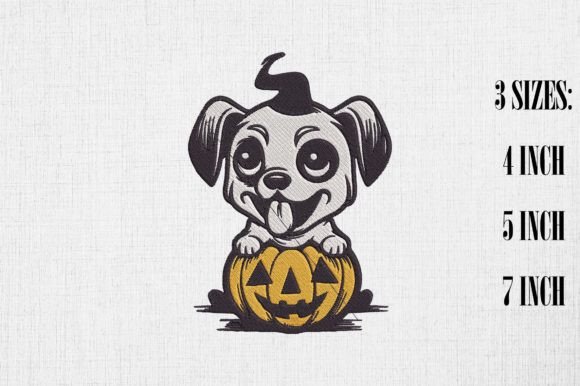
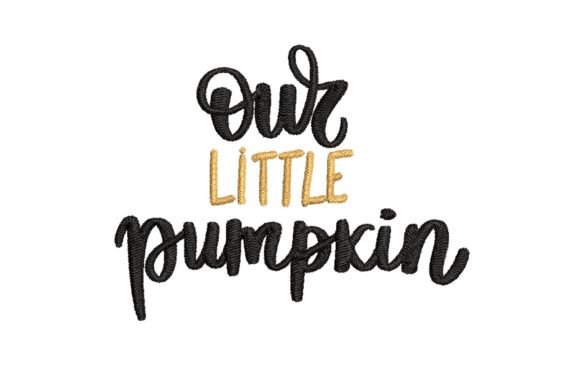
The title Our Little Pumpkin immediately sets a tone that is soft, familial, and undeniably cute. It avoids the overly spooky or aggressive aesthetics that can limit a buyer’s impulse to purchase. Instead, it leans into a farmhouse-modern vibe that resonates with parents looking for gender-neutral or universally appealing baby gifts. From a designer’s perspective, this is smart. It feels decorative without being cluttered, making it versatile enough for various fabric textures.
When you imagine this design on a display table, it stands out because it balances festivity with everyday wearability. It isn’t just a seasonal novelty; it is a sweet sentiment that captures the essence of autumn. The name itself suggests a focal point, implying that the graphic likely features a charming pumpkin motif paired with clean typography. This combination is crucial for craft fair products because customers need to understand the message instantly. A busy design requires explanation; a clear, cute design sells itself. Our Little Pumpkin hits that sweet spot where it feels premium yet approachable, encouraging buyers to touch the fabric and examine the stitch work up close.
Product Applications and Best Sellers
Not every embroidery file works equally well on every item. Based on my experience producing for markets, here is where Our Little Pumpkin truly shines:
- Tote Bags and Market Bags: A canvas tote bag is the bread and butter of any craft fair. Placing this design on the front pocket or center of a natural cotton tote creates a classic look. The contrast between the sturdy fabric and the smooth embroidery threads makes the design pop. It photographs beautifully for online listings, giving Etsy sellers a high-quality image that screams "gift-ready."
- Baby Clothes and Bodysuits: As noted in the description, this is designed for baby clothes. This is arguably its strongest market. Parents are always looking for unique onesies or rompers for fall photoshoots. The small scale of most bodysuit placements allows the design to act as a delicate accent rather than overwhelming the garment. It feels personal and special, which increases perceived value.
- Tea Towels and Aprons: For the home decor crowd, this design translates perfectly to kitchen textiles. An apron embroidery placement on the chest area adds a touch of personality to cooking gear. Similarly, a tea towel embroidery design appeals to homeowners who want seasonal flair in their kitchens. These items are lower price points, making them excellent impulse buys or add-ons at checkout.
- Embroidered Patches and Caps: If the design has a defined border or strong silhouette, it can be digitized or used as a patch. Patches are huge right now for customizing denim jackets or backpacks. A cap brim or front panel placement offers a structured surface that highlights the stitch density and thread colors effectively.
- Pillow Covers and Small Pouches: These items offer a larger canvas for a bigger version of the design. A throw pillow cover can become a statement piece for a nursery or living room. Small fabric pouches for diapers or makeup provide a compact, giftable option that utilizes less material while still showcasing the artistry.
Photography and Online Presentation
In the digital age, your printable mockup is just as important as the physical product. Our Little Pumpkin lends itself well to flat-lay photography. Because the theme is warm and autumnal, it pairs naturally with props like dried leaves, cinnamon sticks, or rustic wood backgrounds. This makes creating design assets for social media marketing incredibly easy. The visual harmony of the design ensures that even a simple photo will attract clicks and engagement from potential buyers scrolling through their feeds.
Production Practicality and Technical Notes
For any commercial embroidery venture, efficiency is key. You need designs that run smoothly and require minimal troubleshooting. While specific technical details like exact stitch counts should be verified against the file specifications, general best practices apply to this type of festive design.
Stitch Density and Clarity: Always test the design on scrap fabric before committing to expensive materials. Pay close attention to dense stitch areas. If the pumpkin shape relies on heavy satin stitches, ensure your machine tension is calibrated correctly to avoid puckering. Tiny details or small lettering can sometimes lose clarity if the design is scaled down too much. If you plan to produce these on small items like pacifier clips or tiny socks, verify that the smallest elements remain distinct. If they blur together, the design may need to be resized or simplified.
Fabric and Stabilizer Choices: The choice of fabric texture plays a massive role in the final look. Smooth cottons and linens allow the threads to lay flat and shine. However, if you are working with textured towels or thick fleece, you may need a stronger cut-away stabilizer to prevent the fabric from distorting under the weight of the stitches. For curved surfaces like caps, a foam stabilizer is essential to maintain the roundness of the design.
Thread Contrast: One of the biggest mistakes new makers make is ignoring thread color against the fabric. On dark fabrics, light-colored threads might get lost if the lighting isn't perfect. Conversely, dark threads on black fabric disappear entirely. Choose thread colors that complement the natural tones of your products. For a tote bag design, gold or orange threads on a tan canvas create a warm, inviting glow. For baby clothes, pastel yellows or soft oranges on white or cream fabric enhance the gentle aesthetic.
Batch Production and Repetition
One of the strengths of Our Little Pumpkin is its repeatability. It is not so complex that it takes hours to hoist and trim, nor is it so simple that it feels cheap. This balance makes it ideal for batch production. You can set up your machines to run multiple hoops of the same design, maximizing your output during peak seasons like Halloween or baby shower months. This efficiency directly impacts your profit margins, allowing you to compete on price without sacrificing quality.
Final Verdict for Craft Fair Sellers
If you are looking to expand your inventory with items that have broad appeal and high perceived value, Our Little Pumpkin is a strong contender. It bridges the gap between seasonal decoration and everyday keepsake. Whether you are an Etsy seller building a brand around cozy home goods or a boutique maker specializing in newborn essentials, this design offers versatility that pays off.
Remember to check the included file formats to ensure compatibility with your specific equipment. Confirm the commercial licensing terms before selling finished products to protect your business. Create at least one real mockup to inspect the spacing and finish. By paying attention to these details, you transform a simple digital file into a tangible, desirable handmade product. When customers see the care and quality in your stitching, they aren't just buying a pumpkin; they are buying a piece of your craftsmanship. And that is what keeps them coming back to your booth year after year.