Rose Mini Quilt-D: A Designer’s Review for Real-World Embroidery
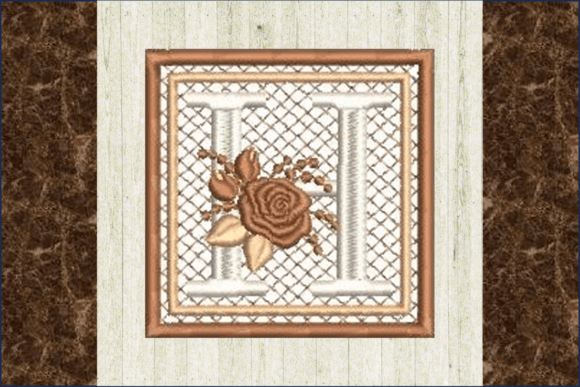
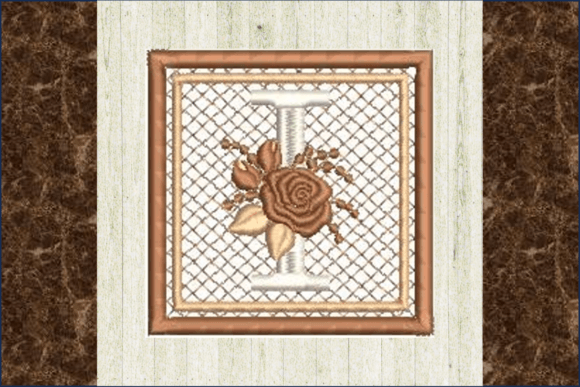
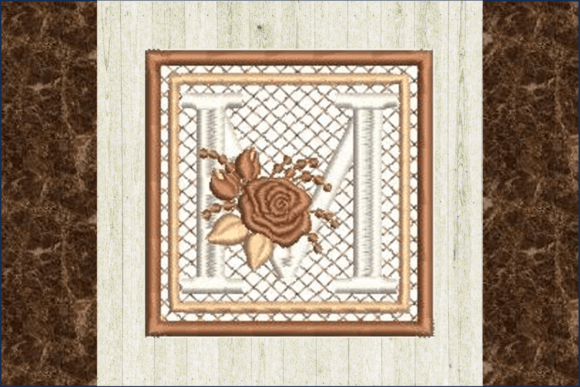
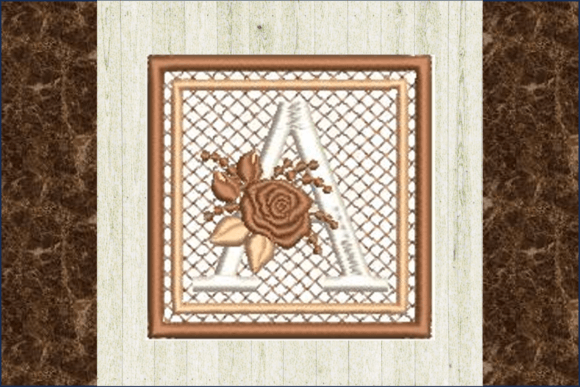
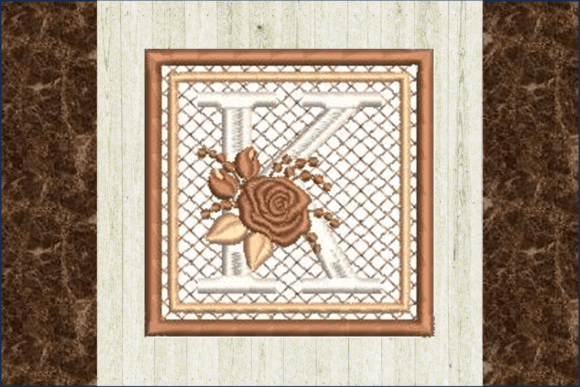
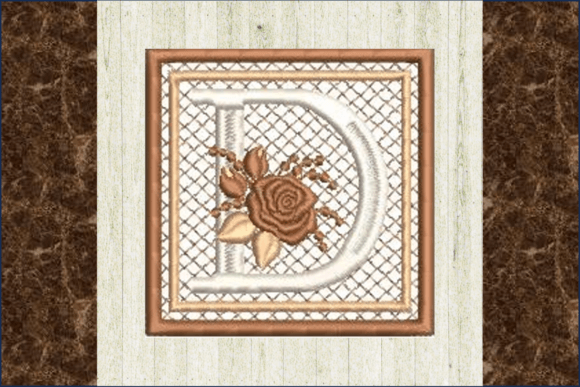
As an embroidery designer who spends more time testing stitch density on scrap fabric than scrolling through social media, I approach every new file with a mix of optimism and skepticism. We have all been burned by designs that look stunning in the preview window but turn into tangled messes or muddy blobs once they hit the hoop. Today, I am evaluating Rose Mini Quilt-D, a design that markets itself through its versatility as a monogram element. The creator notes that while these are perfect for "anything monogrammy" like bath towels and scarves, they have affectionately named them Monogram Bookshelf Buddies because the In-the-Hoop (ITH) version looks particularly sweet when displayed on a bookshelf.
This description immediately raises questions about scale, structural integrity, and end-use. Is this a delicate accent piece or a robust commercial product? Can it handle the wear and tear of a handmade gift, or is it strictly decorative? Below, I break down my practical assessment of Rose Mini Quilt-D based on real-world application scenarios, focusing on what matters most to small business owners, Etsy sellers, and serious hobbyists.
First Impressions and Visual Personality
The name Rose Mini Quilt-D suggests a blend of classic romance and cozy, domestic warmth. Visually, the design leans heavily into the aesthetic of a mini quilt block, utilizing floral motifs that evoke nostalgia. For a designer, the immediate concern is clarity. Does the rose shape hold its definition, or does the detail get lost in the stitching?
In terms of mood, this design creates a soft, inviting atmosphere. It feels appropriate for nursery decor, bridal showers, and spring-themed collections. However, the "mini quilt" aspect implies a certain geometric structure. If the underlying grid or border lines are too fine, they may struggle on textured fabrics. The visual personality is gentle and approachable, making it a strong candidate for personalized gifts where emotional resonance is key. It does not scream bold modernity; instead, it whispers tradition and care. This distinction is vital for branding. If your shop sells edgy streetwear, this might feel out of place. But for a boutique specializing in heirloom-quality baby items or rustic home goods, it fits seamlessly into the brand narrative.
Real-World Application Scenarios
Let us move beyond the digital preview and imagine this design in production. I recently considered using Rose Mini Quilt-D for a custom order involving a set of embroidered tea towels for a client’s wedding gift. The client wanted something that felt cohesive but not overly matchy-matchy. Here is how the design performed in my mental simulation of the workflow:
- Bath Towels and Scarves: As the description suggests, monograms work beautifully here. The rose motif can frame the initials without overwhelming them. On cotton terry cloth, the satin stitch edges need to be clean to prevent snagging. If the thread tension is off, the rose petals can look puffy and uneven.
- Bookshelf Displays: The "Bookshelf Buddy" angle is intriguing. If this is an In-the-Hoop project, it likely forms a three-dimensional object, perhaps a bookmark holder or a small plush tag. This adds immense value for Etsy sellers. Customers love products that offer interactive elements. Placing a stitched rose motif on a leather-bound journal or a wooden shelf divider elevates the perceived value of the item significantly.
- Custom Apparel: For sweatshirt embroidery or tote bag design, the scale is critical. On a canvas tote, the design needs to be large enough to be seen but small enough to remain elegant. On a sweatshirt, the pile of the fabric can obscure fine details. I would recommend placing this on the chest area of a hoodie rather than across the entire back, allowing the rose to stand out against the solid color of the garment.
- Holiday Gifts: During the holiday season, this design could be adapted for Christmas stockings or advent calendar pockets. The romantic rose theme might clash with traditional red-and-green palettes, but if used with muted greens, creams, and golds, it offers a sophisticated alternative to standard snowflake motifs.
Where to Use It Carefully
No design is universally perfect. There are specific contexts where Rose Mini Quilt-D might present challenges. As a professional, you must know when to say no or when to adjust your technique.
Fabric Texture and Stability: Avoid using this on highly textured fabrics like chunky knits or rough burlap unless you are using a heavy-duty stabilizer. The fine lines of the rose petals may disappear into the weave. Similarly, thin fabrics require cut-away stabilizers to prevent puckering. If the design includes dense fill stitches, thin material will distort under the pressure of the needle.
Small Hoop Sizes: If you are working with limited hoop space, pay close attention to the smallest details. Tiny running stitches or narrow satin borders can merge together if the resolution is too low or the hoop size forces excessive scaling. Always test on scrap fabric first to ensure the individual elements remain distinct.
Curved Surfaces: Applying this to caps or hats requires careful digitizing considerations. Flat designs often stretch or warp when applied to curved surfaces. If the rose has straight lines, they may appear bowed after stitching. For embroidered patches intended for caps, ensure the backing is rigid enough to maintain shape.
Dark Fabrics: Contrast is everything. On dark backgrounds, light-colored threads may lack visibility. Conversely, dark threads on black fabric will vanish. Test your thread colors against your actual fabric swatches. A white rose on navy blue works well; a white rose on charcoal gray might look washed out.
Impact on Product Value and Brand Trust
Using high-quality designs like Rose Mini Quilt-D directly influences customer trust. When a buyer receives a handmade product with crisp stitching, balanced composition, and thoughtful detailing, they perceive higher value. This reduces returns and increases the likelihood of positive reviews.
For commercial embroidery projects, consistency is key. If you are producing a line of matching items—say, a set of kitchen towels and a corresponding apron—the rose motif ties them together visually. This cohesion strengthens your brand identity. Buyers recognize your style and associate it with quality. Furthermore, the "personalized gift" aspect allows customers to imprint their own stories onto the product, creating an emotional connection that generic mass-produced items cannot replicate.
Practical Designer Notes for Implementation
Before adding Rose Mini Quilt-D to your catalog or starting a client project, follow these essential steps:
- Test on Scrap Fabric: Never go straight to the final product. Stitch the design on the exact fabric and stabilizer combination you plan to use. Check for puckering, thread breaks, and alignment issues.
- Review Stitch Density: Examine the fill areas. Are they too dense, causing bulk? Or too sparse, showing the fabric underneath? Adjusting the density can improve both appearance and durability.
- Check Small Details: Zoom in on the digital file. Are any lines thinner than the needle eye? Will tiny satin stitches fray over time? Simplify details if necessary for long-term wearability.
- Mockup in Black and White: Convert your design mockup to grayscale. This helps you evaluate contrast and balance without being distracted by color choices. If the shapes do not read clearly in black and white, they may struggle in color.
- Confirm Licensing: If you intend to sell finished items made from this design, verify the license terms. Some files are for personal use only. Ensure you have the right to produce and sell handmade products derived from the digital embroidery file.
- Inspect Stabilizer Choice: Choose the correct stabilizer for your fabric weight. Tear-away for stable wovens, cut-away for knits and stretchy materials, and hooped stabilizers for delicate fabrics.
In conclusion, Rose Mini Quilt-D is a versatile and charming addition to any embroidery library. Its ability to function as both a standalone motif and a monogram accent makes it valuable for diverse applications, from baby embroidery to home decor. By understanding its strengths and limitations, designers can leverage its aesthetic appeal to create meaningful, high-quality products that resonate with customers. Whether you are crafting a one-off gift or building a craft business around curated design assets, this piece offers a reliable foundation for creative expression.