Smiley Car Embroidery Review
Walking into a craft fair or setting up a handmade market booth is an exercise in visual communication. You have seconds to catch a passerby’s eye, and even fewer moments to convince them that your handmade product is worth their money. As an experienced embroidery designer who has turned countless digital files into physical goods for weekend markets, I look at every new machine embroidery design with a critical eye. It is not just about whether the file stitches correctly; it is about whether the design sells itself on a crowded table.
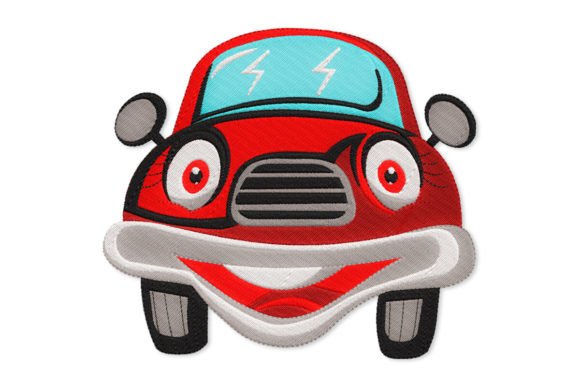
This week, I am reviewing the Smiley Car. At first glance, the description promises a "cute car character with eyes and a mouth." While simple, this simplicity is often where the real profit lies in the craft fair product space. Below is my professional breakdown of how this design performs in a real-world retail environment, from production practicality to customer appeal.
First Impressions and Visual Appeal
The immediate feeling of the Smiley Car is one of approachable charm. In a market filled with intricate florals, complex landscapes, or overly serious typography, a smiling car stands out because it is playful. It does not try to be elegant or rustic; it aims for pure joy. This makes it an excellent choice for toys related categories, specifically targeting parents looking for nursery decor or gifts for young children.
For an Etsy seller or boutique maker, the aesthetic is versatile. It feels modern yet soft enough to fit into a pastel-themed nursery. The design relies on bold shapes rather than delicate details, which is a crucial advantage. When customers are browsing a booth, they are often standing back. A design with clear, recognizable features like a face on a vehicle reads instantly. It creates an emotional connection before the buyer even touches the fabric.
Product Application: Where Smiley Car Shines
To determine if a design is a winner, you must visualize it on actual inventory. Here is how the Smiley Car translates across various high-demand handmade products:
- Tote Bags: This is perhaps the strongest application. Placing a centered Smiley Car on a canvas tote bag creates a statement piece. It works as a focal point for daily use. For a tote bag design, the car should be large enough to fill the center of the bag without touching the edges, ensuring the smile remains the hero.
- Apron Embroidery: For kitchen-focused buyers, a small-to-medium sized car placed on the bib of a denim or linen apron adds personality. It breaks up the monotony of solid fabrics. However, ensure the car is not so wide that it interferes with the wearer’s torso movement.
- Tea Towel Embroidery: Cotton tea towels are impulse-buy staples at craft fairs. A single Smiley Car stitched near the hem or corner looks charming and domestic. It appeals to the "farmhouse" crowd but with a fun twist. The contrast between the utilitarian towel and the cute character drives sales.
- Embroidered Patch: If the design allows for a clean edge, converting the car into a detachable patch is a smart move. Patches can be sewn onto backpacks, jackets, or hats by the end-user, adding value to the finished product.
- Pillow Covers and Bed Sets: For the nursery demographic, this design is gold. A set of two pillowcases featuring matching or complementary cars creates a coordinated gift set. Buyers love ready-made themes for baby showers.
Production Practicality and Batch Efficiency
As a business owner, time is money. A design that takes twenty minutes to stitch per item will kill your profit margin. The Smiley Car appears to rely on standard satin and fill stitches typical of character designs. This usually means it is relatively fast to produce compared to dense floral arrangements.
When preparing for a market, you need to batch-produce. Does this design feel repeatable? Yes. Because the shapes are geometric (car body, wheels) and facial features are simple (dots for eyes, a curve for a mouth), the machine rarely gets tangled or requires constant trimming. This consistency allows you to create a stack of ten identical items quickly, knowing each one will look uniform. Uniformity is key to building trust with customers who expect high-quality commercial embroidery.
Photography is another production hurdle. A Smiley Car photographs well against neutral backgrounds like white, beige, or light gray fabric. The colors pop, and the "face" draws the viewer’s attention immediately. This makes creating a printable mockup for your online store easier, as you do not need complex lighting setups to show off intricate texture.
Critical Design Notes and Careful Use
Before you commit to printing labels or buying thread, there are technical realities to consider. Even simple designs can fail if executed poorly.
- Stitch Density: Check the density of the car’s body. If it is too sparse, the fabric may pucker. If it is too dense, the needle may break or the backing may become stiff and uncomfortable, especially on clothing. Ensure the stitch density balances coverage with flexibility.
- Thread Contrast: The eyes and mouth must stand out against the car’s body color. If you embroider a black car with black thread, the face disappears. Plan your thread colors carefully. White or bright yellow eyes on a darker car body often work best for visibility.
- Hoop Size Constraints: Verify the hoop size required. If the car is designed for a 5x7 hoop but you want it smaller for a pouch, you must resize it. Resizing can distort the aspect ratio, making the car look squashed or stretched. Always test resizing before mass production.
- Fabric Texture: Avoid textured fabrics like heavy boucle or loose-weave burlap for this design. The fine details of the eyes and mouth may get lost in the weave. Stick to smooth cottons, linens, or canvas for the clearest result.
- Small Details: If the design includes tiny lettering or very thin lines, be cautious. These elements often disappear when viewed from a distance at a craft fair. Focus on the main shape and facial features for maximum impact.
Strategic Selling Tips
To maximize the potential of the Smiley Car, consider your display strategy. Group similar items together. Display a tote bag next to a matching tea towel, both featuring the same car. This repetition reinforces the brand and shows versatility. Use a sign that highlights the "Nursery Ready" or "Gift Perfect" angle.
For digital sellers, offer the design as part of a bundle. Pair it with other vehicle-themed designs or nursery motifs. This increases the perceived value of the digital embroidery file and encourages larger basket sizes.
Final Designer Verdict
The Smiley Car is a solid addition to any small shop product line. It is safe, appealing, and commercially viable. It avoids the risks of overly trendy aesthetics that might fade in six months. Instead, it offers timeless cuteness that resonates with parents and craft lovers alike.
Remember to test the design on scrap fabric first. Inspect the stabilizer usage—cutaway stabilizers are recommended for garments to prevent distortion over time. Confirm your commercial licensing rights before selling finished goods. With careful execution, this simple character can become a staple in your booth, driving sales through its undeniable charm and broad market appeal.