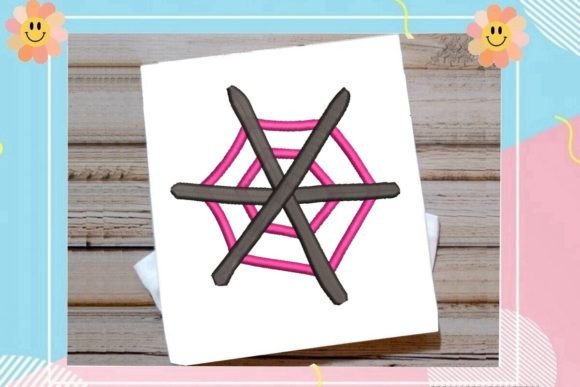
Tiny Halloween Spider Web Review
As an embroidery designer who spends weekends hunched over a table at craft fairs, I know that the difference between a design that sits on the shelf and one that flies off it often comes down to scale, clarity, and emotional resonance. When I first laid eyes on the Tiny Halloween Spider Web, my immediate reaction was not about its size, but about its potential as a subtle accent piece. In a market saturated with giant, loud jack-o'-lanterns and skeleton motifs, this intricately designed small spider web motif offers something different: elegance with a spooky edge.
This review is written from the perspective of a professional looking to turn this machine embroidery design into viable craft fair products. We are going to evaluate how this embroidery file performs in the real world—on fabric, in the hoop, and under the bright lights of a vendor booth.
First Impressions: Delicate Intrigue Over Bold Statements
The description highlights "delicate yet captivating details," which suggests that this design is not meant to shout; it whispers. For a handmade product, this subtlety is a massive selling point. It appeals to the customer who wants a touch of Halloween spirit without committing to a full costume aesthetic. The design feels modern, minimal, and slightly rustic, making it versatile for various aesthetics, from farmhouse chic to contemporary boutique styles.
When you look at the Tiny Halloween Spider Web, you see a design that relies on negative space and fine lines. This means it will stand out beautifully against solid-colored fabrics where there is no competing pattern. It creates a sense of premium quality because it requires precision. A sloppy stitch job would ruin this design instantly, so when executed well, it signals high-end craftsmanship to the buyer.
Product Application: Where Does It Shine?
To maximize sales, you need to match the right embroidery design with the right substrate. Here is how the Tiny Halloween Spider Web translates across common handmade products:
- Tote Bags: This is perhaps the strongest application. Placing a small, intricate web on the front pocket or centered on a canvas tote bag creates a sophisticated accessory. It works as a tote bag design that looks intentional and artistic rather than generic.
- Kitchen Towels and Aprons: For apron embroidery or tea towel embroidery, this motif serves as a perfect corner accent or a small chest logo. It adds personality to kitchenware without overwhelming the utility of the item. White or cream towels with black or grey thread make this pop exceptionally well.
- Embroidered Patches: Because the design is compact, it translates perfectly into an embroidered patch. These are highly portable, easy to display on a booth rack, and allow customers to buy a standalone decorative item that can be ironed or sewn onto their own jeans or bags.
- Caps and Beanies: On the curved surface of a baseball cap, a tiny web near the button or on the side panel adds a playful detail. However, ensure the hoop size allows for the curve without distortion.
- Fabric Pouches and Pillow Covers: For smaller items like zippered pouches, this design fills the space effectively. On pillow covers, it acts as a seasonal decor piece that is less permanent than a wall hanging.
Selling Points and Visual Appeal
From a marketing standpoint, the Tiny Halloween Spider Web has several advantages for an Etsy seller or boutique maker:
- Photography Friendly: Small, detailed designs photograph beautifully. They catch the light in a way that shows off thread texture. When creating a printable mockup or taking photos for your shop, the fine lines of the web will show up clearly, inviting the customer to zoom in and appreciate the detail.
- Broad Audience Appeal: Not everyone wants a scary Halloween vibe. This design bridges the gap between festive decoration and everyday style. It appeals to adults who want a hint of seasonality, making it a great gift item.
- Brand Consistency: If your brand focuses on clean, minimalist, or cottage-core aesthetics, this design fits seamlessly. It maintains brand consistency while still allowing you to capitalize on seasonal trends.
The visual appeal lies in its ability to create intrigue. Customers walking by your booth might notice the shimmer of the thread or the geometric perfection of the web. It encourages them to stop and look closer, increasing engagement time at your stall.
Production Realities and Technical Considerations
As a designer, I must warn you about the technical challenges inherent in "tiny" and "delicate" designs. Precision is everything here. If the stitches are too dense, the fabric will pucker. If they are too sparse, the web will look thin and cheap.
Stitch Density and Clarity: You must inspect the stitch density carefully. Tiny webs often suffer from thread breaks or lack of definition if the machine tension is off. Ensure that the individual strands of the web are distinct and do not merge together during production.
Fabric Choice: Avoid heavily textured fabrics like thick terry cloth or rough burlap for this specific design. The fabric texture can obscure the delicate lines. Smooth cotton, linen blends, or tightly woven canvas will provide the best canvas for this digital embroidery file.
Thread Contrast: The success of this design hinges on contrast. A white web on a white bag will disappear. Black on dark navy might get lost. Test your thread colors thoroughly. High-contrast combinations like black on white, silver on grey, or deep purple on cream usually work best for maintaining visibility.
Stabilizer Selection: Use the right stabilizer to prevent shifting. For small, precise designs, a cut-away stabilizer is often safer than tear-away to ensure the fabric doesn't distort during the stitching process, especially on stretchy materials like caps or jersey.
Pre-Production Checklist for Sellers
Before you commit to batch production for your next market, follow these steps to ensure quality:
- Test on Scrap Fabric: Never go straight to your final product. Stitch the Tiny Halloween Spider Web on scraps of your intended material to check for puckering or thread issues.
- Confirm Hoop Size: Verify the required hoop size to ensure it fits comfortably on your chosen item, such as the center of a tea towel or the front panel of a tote.
- Create a Real Mockup: Produce at least one finished product to use as a booth sample. Nothing sells better than seeing the actual texture and drape of the embroidery.
- Check Commercial Licensing: Always confirm commercial embroidery rights before selling finished goods. Ensure you have the legal permission to produce and sell items made with this design assets package.
- Inspect for Tiny Details: Look closely at any connecting threads or tiny nodes in the web. These are prone to tangling. If the design looks fragile, consider adding a backing or adjusting the pull compensation.
Final Verdict for Craft Fair Success
The Tiny Halloween Spider Web is a strategic addition to any small shop product line. It is not a flashy, attention-grabbing monster, but it is a refined, attractive detail that elevates simple garments and home goods. For the craft fair seller, it offers a lower-risk entry into the Halloween market because it appeals to a wider demographic than traditional spooky imagery.
By focusing on high-quality fabrics, sharp thread contrasts, and precise execution, you can transform this simple motif into a premium-looking handmade product that commands a good price point. It proves that sometimes, the smallest details make the biggest impression. If you execute it well, this design will not only fill your booth but also build trust in your brand’s attention to detail.