Wales Flag Embroidery Design Review
As an embroidery designer who has spent years refining digital files for commercial production, I approach every new design asset with a critical eye. It is not enough for a design to simply look good on a screen; it must translate flawlessly into thread, withstand the rigors of industrial or home machines, and enhance the brand identity of the end product. Today, I am reviewing the Wales Flag machine embroidery design, a piece that promises to add a distinct cultural touch to small business merchandise. This review focuses on its viability for branded patches, staff uniforms, custom apparel, and high-volume Etsy listings.
First Impressions: Cultural Pride Meets Commercial Potential
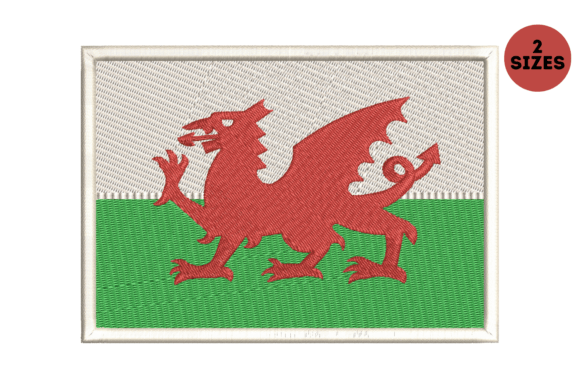
The initial visual impact of the Wales Flag design is one of bold recognition. For small business owners looking to tap into heritage markets or celebrate specific regional pride, this design offers immediate emotional resonance. The description highlights its suitability for "tote bags, hoodies, t-shirts, cushions, sweaters, and so much more," which signals versatility. From a designer’s perspective, the red dragon motif is inherently strong, providing a clear focal point that works well as a standalone graphic.
However, the term "sprinkling" in the product description suggests a design that might be intended as an accent rather than a dominant feature. This is crucial for branding. When evaluating this as a potential embroidered patch or a chest logo accent, we must consider how the negative space interacts with the fabric. A flag design needs to maintain its integrity even when stitched at smaller scales, such as on a cap front or a sleeve detail. The classic nature of the symbol ensures it feels premium and respectful, avoiding the pitfalls of overly trendy graphics that may date quickly.
Real-World Business Applications
The true test of any digital embroidery file lies in its application across various product lines. Here is how the Wales Flag performs in specific commercial scenarios:
- Staff Uniforms and Aprons: For a local café, bakery, or florist in Wales, or a business celebrating Welsh heritage, this design serves as an excellent identifier. On apron embroidery, it projects professionalism and community connection. It tells the customer that the staff represents a specific culture and standard of care.
- Cap Embroidery and Headwear: Caps are a staple of promotional merchandise. The Wales Flag works well here due to its symmetrical balance. However, the curvature of the cap front requires careful digitizing to ensure the flag does not pucker or distort. If used as a subtle sleeve detail or back panel mark, it adds a layer of sophistication without overwhelming the garment.
- Tote Bag Design and Merchandise: Tote bags are perhaps the most common canvas for small business merch. The durability of the embroidery against the frequent washing and handling of tote bags makes this a smart investment. The design stands out against canvas textures, creating a tactile experience that enhances the perceived value of the bag.
- Branded Patches: Creating detachable patches allows for flexibility. Customers can attach the Wales Flag to denim jackets, backpacks, or work shirts. This extends the life of the garment and allows for modular branding, which is highly popular among handmade brands and crafters.
- Product Packaging Accents: Beyond clothing, this design can be embroidered onto tags, hangtags, or even small pouches included in orders. This attention to detail elevates the unboxing experience, reinforcing brand identity before the product is even used.
Strategic Placement and Brand Identity
Incorporating the Wales Flag into your product line is not just about decoration; it is a strategic move to build customer trust and recognition. When a business aligns itself with national pride, it creates an instant bond with local customers who value authenticity. For international buyers, it offers a unique selling proposition (USP) that distinguishes the product from generic competitors. The visual consistency of using this specific motif across different items—from cushions to sweaters—creates a cohesive brand ecosystem.
Furthermore, the design supports handmade presentation. In the age of mass production, the slight imperfections inherent in hand-placed or boutique-quality embroidery add character. The Wales Flag, when executed with quality thread colors, feels artisanal yet professional. It signals that the seller cares about the details, which directly influences buyer engagement and repeat purchases.
Technical Considerations and Risk Management
While the aesthetic appeal is clear, an experienced designer must also identify potential pitfalls. Not every surface is suitable for every design element. There are specific areas where the Wales Flag should be used carefully:
- Small Patch Sizes: If reducing the design for tiny labels or fine wristbands, intricate details may merge together. Always check if the design remains legible at the smallest intended size.
- Curved Surfaces: While caps are great, highly curved surfaces like certain hat brims or rounded bottle holders can cause distortion. Test these placements thoroughly.
- Tiny Lettering: If the design includes text alongside the flag, ensure the font weight is sufficient. Thin lines often break during the embroidery process, especially on textured fabric.
- High Stitch Density: Dense stitching can make fabrics stiff and uncomfortable. On garments like hoodies or t-shirts, excessive density can lead to puckering after washing. Balance is key.
- Detailed Outlines: Fine outlines may get lost on dark or heavily textured materials. Ensure there is adequate contrast between the thread colors and the base fabric.
- Frequent Washing: Items that undergo rigorous laundering, such as work shirts or baby clothes, require robust construction. Loose threads or weak stabilizer adhesion can lead to premature failure of the design.
Practical Designer Notes for Production
Before committing to a large production run of the Wales Flag design, follow these essential steps to ensure quality control:
- Test in Black and White: Convert the design to grayscale first. This helps you evaluate the balance of light and dark threads without the distraction of color. It reveals if the design will have enough contrast on both light and dark fabrics.
- Check Small Patch Viability: Digitize a small version of the design and stitch it out. Does it hold its shape? Are the edges clean?
- Review Thread Color Contrast: The traditional red of the Welsh flag must pop against the background. Test multiple shades of red to find the one that offers the best visibility and vibrancy on your target fabric.
- Inspect Spacing: Ensure there is enough distance between stitches to prevent needle breaks and thread tension issues. Proper spacing also contributes to a smoother finish.
- Confirm Hoop Size: Verify that the design fits within your standard hoop sizes. Oversized designs may require multi-hoop digitizing, which increases production time and cost.
- Test on Real Fabric: Never rely solely on digital mockups. Stitch the design on the actual fabric you plan to sell. Different materials react differently to stabilizer types and needle sizes.
- Use Proper Stabilizer: The choice of cut-away or tear-away stabilizer depends on the fabric’s stretch and weight. Incorrect stabilization leads to distortion and poor final results.
- Create a Printable Mockup: Before producing physical samples, create a high-quality printable mockup for client approval. This saves time and resources by validating the concept early.
- Compare Design Assets: Place the Wales Flag alongside other designs in your collection. Does it fit the overall aesthetic? Does it complement or clash with other elements?
- Confirm Commercial Licensing: Most importantly, verify that you have the right to use this embroidery file for commercial purposes. Selling products with unlicensed designs can lead to serious legal issues. Check the license terms provided with the download.
Final Verdict
The Wales Flag machine embroidery design is a versatile and powerful tool for commercial embroidery projects. Its strong cultural symbolism makes it ideal for businesses aiming to connect with Welsh heritage or offer unique regional merchandise. Whether used for custom apparel, tote bag design, or branded accessories, it adds a layer of meaning and quality to the finished product.
By paying close attention to technical details like stitch density, thread contrast, and fabric compatibility, designers can maximize the effectiveness of this asset. It is not just a flag; it is a statement of pride and professionalism. For small business owners and creators, integrating this design into their product lineup can significantly enhance brand visibility and customer loyalty. Just remember to always test thoroughly and respect licensing agreements to ensure a smooth and profitable production process.