Dancer Flower Embroidery Design Review
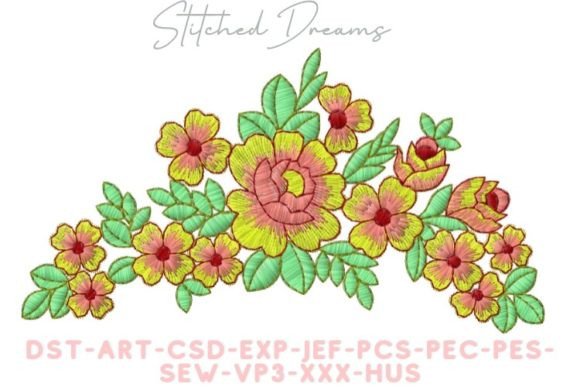
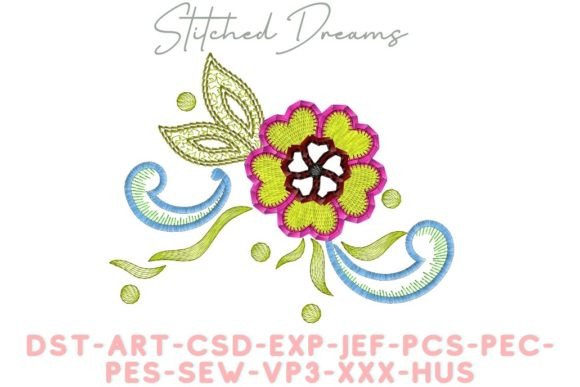
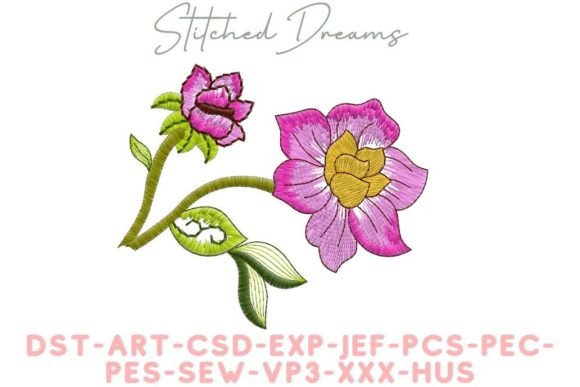
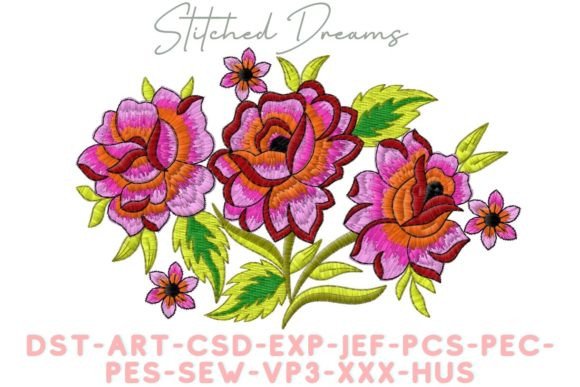
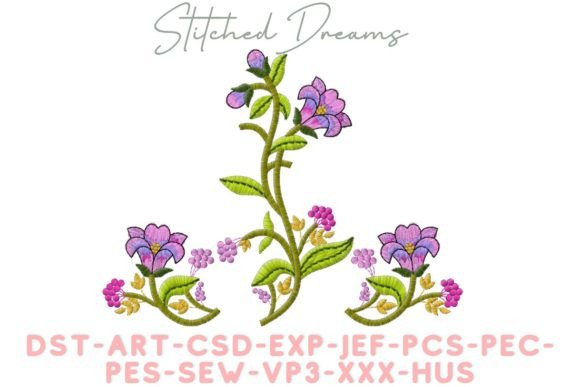
As an experienced embroidery designer who spends weekends navigating the hustle of craft fairs and handmade markets, I know that a design’s success is often decided in the first three seconds. Customers are walking past dozens of booths, scanning for visual hooks that promise quality and charm. Today, I am reviewing Dancer Flower, a digital embroidery design described as a breathtaking composition of a creative and intricate flower surrounded by gracefully entwined leaves and delicate twigs. Together, these elements form a captivating piece that seems poised to elevate standard Clothing and home goods into premium handmade product offerings.
In this review, I will break down how Dancer Flower performs when translated from a screen to fabric, specifically focusing on its viability for booth displays, Etsy listings, and commercial production. We will look at where it shines, where it might struggle, and how to position it for maximum sales impact.
First Impressions: The Visual Hook
The description of Dancer Flower suggests a design that balances organic movement with structural intricacy. When you see a "creative and intricate flower" paired with "gracefully entwined leaves," your brain immediately categorizes it. It feels elegant, slightly rustic, and undeniably decorative. This is not a minimal, geometric shape; it is a statement piece. For a craft fair seller, this means the design has high visual weight. It does not require a large surface area to be noticed because the detail within the petals and twigs draws the eye in.
This aesthetic fits perfectly into the current market trends for boutique makers. It appeals to customers looking for farmhouse chic, romantic cottage-core vibes, or simply a touch of nature-inspired elegance. Because the design forms a "captivating" whole, it works exceptionally well as a focal point rather than a subtle accent. It promises the buyer that the item they are purchasing is not mass-produced but crafted with attention to artistic detail.
Product Applications: Where Dancer Flower Sells Best
To maximize the return on investment for this machine embroidery design, you must choose the right canvas. Not all products showcase intricate floral details equally. Here is my breakdown of the best uses for Dancer Flower:
- Tote Bags and Market Bags: This is perhaps the strongest application. A natural cotton or canvas tote bag provides a neutral backdrop that allows the thread colors of the flowers and leaves to pop. The size of a standard tote allows the "gracefully entwined" aspect of the design to breathe, making it look like a piece of art rather than just a logo. It transforms a simple utility item into a fashion accessory.
- Aprons and Tea Towels: For the kitchen-focused niche, Dancer Flower adds a touch of warmth. On a white or cream apron, the intricate twigs and flower create a lovely contrast. However, be mindful of fabric texture; heavily textured linen towels can sometimes obscure tiny stitch details. Stick to smooth percale or cotton blends for the crispest result.
- Embroidered Patches: If you sell accessories, turning Dancer Flower into a standalone patch is a smart move. Patches allow customers to add personality to denim jackets, backpacks, or beanies without committing to a full garment. The intricate nature of the design makes the patch feel substantial and high-value.
- Pillow Covers and Home Decor: For larger items, this design serves as a beautiful centerpiece. It elevates the perceived value of the pillow, justifying a higher price point. It photographs beautifully for online listings, adding depth and interest to flat-lay images.
- Caps and Headwear: While possible, curved surfaces can distort intricate floral patterns if the hoop placement is not precise. If you choose this route, ensure the design is scaled appropriately so the "delicate twigs" do not merge into a blob on the small curvature of a cap.
Production Realities and Technical Considerations
Before you rush into batch production for your next weekend market, there are critical technical factors to evaluate. An embroidery file looks perfect on a monitor, but fabric behaves differently. Here is what you need to check:
Stitch Density and Detail Clarity
The description mentions "intricate" and "delicate." In embroidery terms, this raises a red flag for potential loss of clarity. If the stitch density is too high, the fabric may pucker, especially on lighter materials like thin cotton tees. Conversely, if the details are too fine, they may disappear when stitched out. You must inspect the design closely. Are the petals distinct, or will they blend together? Test the design on scrap fabric to ensure the "gracefully entwined" leaves remain legible and do not become a muddy mix of threads.
Hoop Size and Placement
Confirm the required hoop size before attempting to digitize or embroider. A large, intricate flower might require a 5x7 or even 6x10 hoop. Ensure your machine can accommodate this and that your product (like a tote bag) can fit comfortably within that space without distorting the shape. Proper stabilization is non-negotiable here. Use a cut-away stabilizer for woven fabrics to prevent shifting, which would ruin the symmetry of the flower.
Fabric and Thread Contrast
The beauty of Dancer Flower relies on contrast. Dark thread on dark fabric will kill the intricate details. Light thread on light fabric will vanish. To make this design stand out, pair it with mid-tone or contrasting backgrounds. For example, sage green thread on a beige tote, or burgundy flowers on a navy apron. Always compare fabric colors against your thread spools under natural lighting before starting a run.
Selling Strategy for Craft Fairs and Online Shops
When displaying Dancer Flower products, remember that you are selling a feeling, not just an embroidered object. The "breathtaking" quality mentioned in the description should be your marketing hook.
- Photography: Create a printable mockup that shows the design up close. Buyers cannot touch the embroidery through a screen, so macro shots of the stitches help convey quality. Show the texture of the thread and the precision of the twigs.
- Batch Production: Is this design repeatable? Yes. Because it is a single cohesive image, it is easy to plan layouts. You can place multiple smaller versions on tea towels or one large version on a tote. This efficiency is crucial for commercial embroidery profitability.
- Brand Consistency: Using Dancer Flower across various products—totes, patches, and pillows—creates a recognizable brand identity. Customers will start to associate that specific intricate floral style with your shop.
Final Designer Notes
Before you list this as a small shop product or use it for Etsy seller inventory, please adhere to these professional guidelines:
- Test First: Never assume the file will work perfectly. Stitch out a test sample on the exact fabric you plan to sell.
- Check Licensing: Confirm the commercial licensing terms. Just because you bought the digital embroidery file does not automatically grant you the right to sell finished goods. Check the provider’s license agreement carefully.
- Review Spacing: Ensure there is enough negative space around the design if you plan to add text or logos nearby. Crowding an already intricate design can make it look cluttered.
- Inspect for Errors: Look for any loose ends or jump stitches in the digitization that might need trimming or fixing during production.
Dancer Flower has the potential to be a standout item in your collection. Its intricate nature speaks to craftsmanship, and its elegant form appeals to a wide audience. By paying attention to stitch density, fabric choice, and presentation, you can turn this digital asset into a tangible bestseller. Whether it ends up on a customer’s tote bag at a craft fair or as a cherished gift in their home, the key is ensuring the final product matches the captivating promise of the design.