Flowers of Life Embroidery Review
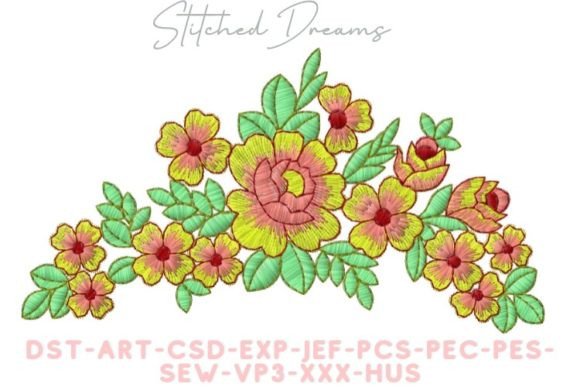
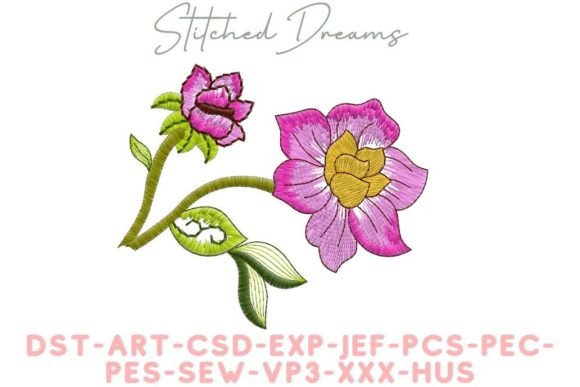
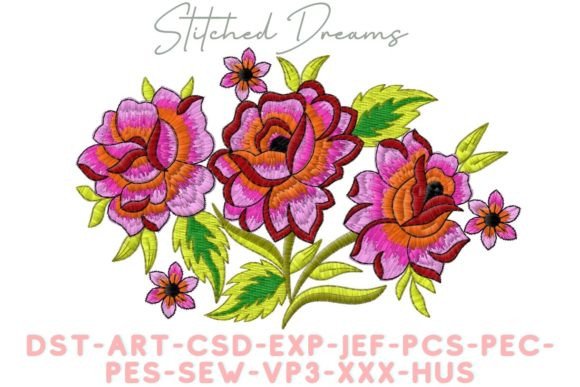
If you are prepping for a weekend craft fair or refreshing your Etsy shop, the visual impact of your products is everything. As an embroidery designer who has spent years turning digital files into tangible goods, I know that not every design translates well from the screen to the stitch. Today, I am reviewing Flowers of Life, a digital embroidery design described as a captivating grouping of exquisite flowers and graceful leaves with intricately stitched petals. This review focuses on how this piece performs as a commercial product, its aesthetic appeal, and its practicality for small business owners.
First Impressions and Aesthetic Appeal
When I first looked at the description of Flowers of Life, the words "exquisite" and "harmonious dance" immediately signaled a design that leans toward elegance and refinement rather than bold minimalism or rustic charm. In the crowded marketplace of handmade goods, subtle beauty often wins because it feels premium. This design does not scream for attention with loud colors or massive block letters; instead, it whispers quality through intricate detail.
The concept of a "harmonious dance" suggests a composition that flows naturally. For a craft fair product, this means the eye will travel across the item, appreciating the complexity. It fits perfectly into the current trends of botanical decor and soft, feminine aesthetics that dominate boutique markets. Whether used on a tote bag or a tea towel, the design promises to elevate the perceived value of the item. It feels less like a quick novelty gift and more like a keepsake, which is crucial for justifying higher price points at physical booths.
Product Versatility: Where Flowers of Life Shines
One of the biggest challenges for any Etsy seller or small shop product creator is finding designs that work across multiple categories without looking out of place. Flowers of Life demonstrates impressive versatility, making it a strong candidate for a diversified inventory.
- Tote Bags and Market Bags: These are staples at any craft fair. The floral motif pairs beautifully with canvas or cotton blends. Because the design involves graceful leaves, it can be placed centrally for a bold statement or clustered in a corner for a softer look. The intricate petals add texture that contrasts nicely with the flat weave of a bag fabric.
- Aprons and Tea Towels: Kitchen items are impulse-buy favorites. The "exquisite" nature of the flowers makes them suitable for gifting. On a tea towel, the design adds a touch of farmhouse elegance without overwhelming the utility of the item. It photographs exceptionally well, which is vital for online listings where customers cannot touch the fabric.
- Embroidered Patches and Caps: If the design allows for clean edges, it works wonderfully as an appliqué patch. For caps, the curved surface can challenge complex designs, but if the petal details are distinct, they will stand out against the structured fabric of a baseball cap. However, ensure the design is scaled appropriately so the tiny details do not get lost in the curve.
- Pillow Covers and Small Pouches: These items benefit from the decorative nature of the design. A pillow cover featuring this pattern becomes a centerpiece for home decor enthusiasts. Small pouches allow for a tighter focus on the "intricately stitched petals," showcasing the craftsmanship of the machine work.
Visual Impact and Customer Attention
In a booth setting, customers scan quickly. A design that relies on fine detail needs to be large enough to be appreciated. Flowers of Life likely requires a decent hoop size to truly shine. If the design is too small, the "graceful leaves" may merge into a blurry shape. When displaying samples, ensure the embroidery is visible from arm's length. The intricate stitching catches the light differently than flat prints, creating shadows and depth that draw people in. This tactile quality is a major selling point for handmade products.
Practical Production and Selling Considerations
As a designer, I always ask: "Is this easy to produce consistently?" Repetition is key to profitability. If a design takes twenty minutes to set up or fails frequently, it eats into margins. While specific technical details like exact stitch counts or file formats are not provided in the initial description, here are general guidelines for evaluating such a design.
Stitch Density and Detail Clarity
The description mentions "intricately stitched petals." This implies a higher stitch density. High-density areas can cause puckering if the stabilizer is not chosen correctly. Before committing to a batch production run, test the design on scrap fabric similar to your final product. Pay close attention to how the thread colors interact. If the petals are multi-toned, ensure there is enough contrast between the flower centers and the background fabric. On dark fabrics, lighter threads might struggle to show the delicate leaf veins, whereas on white or cream fabrics, darker threads might disappear into the shadows of the folds.
Fabric Texture and Stabilization
Different materials react differently to embroidery. A smooth cotton tote bag will render the fine details sharply. However, a textured linen or a thick denim apron might obscure some of the gracefulness of the leaves. Always use the right stabilizer for the fabric weight. For lightweight fabrics, a tear-away or cut-away stabilizer prevents distortion. For heavier items like aprons, a sturdy cut-away is usually best to maintain the integrity of the design over time.
Photography and Mockups
For your online presence, a printable mockup is essential. Even if you have the physical sample, high-quality images drive sales. Ensure your photos highlight the texture of the stitches. Close-up shots of the "exquisite flowers" can serve as powerful design assets in your marketing. Show the product in use—perhaps a tote bag filled with fresh flowers or an apron worn in a bright kitchen—to help customers visualize the item in their own lives.
Careful-Use Notes for Designers
Before you start producing, keep these critical checks in mind:
- Check Hoop Size: Confirm that the design fits within your standard hoops. If it is large, ensure you have the equipment to handle it.
- Inspect Stitch Density: Look for areas where stitches might overlap excessively, causing bulkiness. Adjust thread tension if necessary.
- Thread Contrast: Test various thread colors to see which combination makes the petals pop. Neutral tones often work best for versatile appeal.
- Commercial Licensing: Most importantly, verify the commercial embroidery license. Just because you bought the digital embroidery file does not automatically grant permission to sell finished items. Ensure you have the rights to profit from this embroidery design.
Final Verdict
Flowers of Life appears to be a sophisticated choice for sellers aiming for a premium, elegant brand image. Its intricate details and harmonious composition make it suitable for a wide range of Clothing and home decor applications. By carefully managing production variables like stabilizers and thread choices, and by showcasing the design’s texture in your marketing, you can turn this embroidery file into a best-selling handmade product. It is a design that rewards patience and precision, offering a beautiful addition to any maker’s collection.