First Christmas In New Home Embroidery Review
As a designer who spends half my life staring at stitch previews and the other half troubleshooting tension issues on vintage machines, I approach every new embroidery file with a healthy dose of skepticism. The market is saturated with holiday designs that look charming in low-resolution thumbnails but fall apart when transferred to fabric. That is exactly why I decided to put The First Christmas in New Home 2023 through its paces. This isn’t just another festive graphic; it is a specific narrative tool for makers, Etsy sellers, and craft business owners who need to capture a very particular emotional moment: the quiet excitement of a first holiday in a new space.
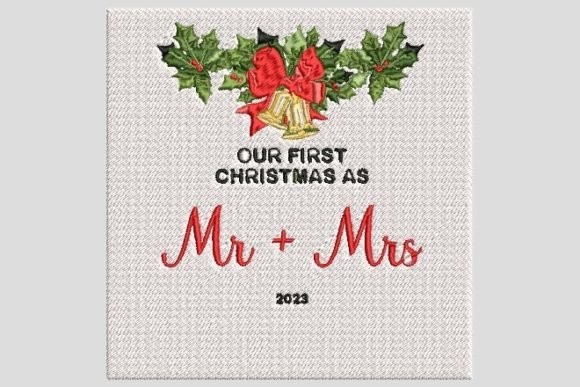
When I first loaded the design into my digitizing software, the immediate impression was one of warmth and simplicity. The layout avoids the cluttered, chaotic energy of many mass-produced Christmas motifs. Instead, it focuses on a clean, legible message that serves as the anchor for the piece. For those of us creating custom apparel or home decor, this clarity is vital. A busy design can overwhelm a small hoop area, but this composition respects the negative space, allowing the text to breathe while providing enough visual weight to feel substantial on the finished product.
Real-World Application: From Screen to Stitch
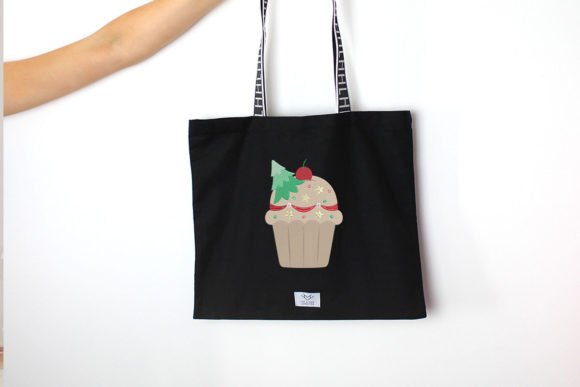
I wanted to see how this design would perform outside of a digital mockup. My test case was a set of custom tote bag designs intended for a boutique holiday pop-up shop. Totes are a tricky medium because the canvas fabric often has a loose weave that can distort fine details if the stitch density is too high or the stabilizer choice is incorrect. I also tested it on a heavyweight cotton sweatshirt, a staple for sweatshirt embroidery during the winter season.
In both scenarios, The First Christmas in New Home 2023 held up remarkably well. On the tote bags, the satin stitch edges remained crisp, defining the letters clearly against the natural beige background without puckering the fabric. On the sweatshirt, the design provided a cozy, nostalgic vibe that resonated with the "first home" theme. It feels less like a generic holiday greeting and more like a personal milestone marker. This distinction is crucial for personalized gifts and handmade products where the buyer is paying for sentimentality as much as craftsmanship.
However, not every application is a perfect fit. While the design works beautifully on flat surfaces like aprons, pillow covers, and kitchen towels, I noticed some challenges when attempting to adapt it for curved surfaces like baseball caps. The curvature of the front panel distorted the baseline of the text slightly, requiring careful hooping and possibly manual adjustments to the placement angle. If you are planning to use this for embroidered patches or structured headwear, you must pay close attention to the geometry of the final curve before committing to production.
Visual Appeal and Product Value
From a branding perspective, this design elevates the perceived value of the finished product. Customers today are looking for authenticity. A design that tells a story—like celebrating a new beginning during the holidays—creates an immediate emotional connection. When displayed in printable mockups for your online store, this image stops the scroll. It suggests quality and thoughtfulness, which helps build trust with potential buyers on platforms like Etsy or Shopify.
The color palette inherent in the design’s structure allows for versatility. Whether you choose traditional reds and greens or a modern neutral scheme with gold thread accents, the thread colors interact with the shape in a way that maintains readability. This flexibility is a huge plus for small shop products where you might want to offer multiple variations to appeal to different aesthetic preferences. It ensures your inventory remains relevant across various customer segments without needing entirely new artwork.
Practical Designer Notes for Implementation
To get the best results from this machine embroidery design, there are several technical considerations you must address before starting your sewing machine. First, always test the design on scrap fabric that matches the texture and weight of your final material. Fabric texture can drastically alter how the fill stitch sits on the surface, especially if you are working with terry cloth or heavily textured knits.
- Stabilizer Selection: Because this design includes text that needs to remain legible, using the correct stabilizer is non-negotiable. For woven fabrics like cotton totes, a cut-away stabilizer provides the necessary support to prevent shifting. For knits, a tear-away might suffice, but only after testing.
- Hoop Size Verification: Ensure the hoop size accommodates the entire design with a little margin for error. Trying to split a single cohesive message across two hoops can ruin the visual flow, so plan your layout carefully.
- Density Check: Review the stitch density in your software. If the areas between letters are too dense, the fabric may become stiff and uncomfortable, particularly on garments like baby clothes or lightweight tees. You may need to reduce the density slightly for better drape.
- Contrast Testing: Always inspect the design in black and white mode within your digitizing program. This helps you verify that the contrast between the threads and the fabric will be sufficient for readability, regardless of the color choices you make later.
Avoiding Common Pitfalls
There are certain contexts where this design should be used with caution. Avoid placing it on thin, stretchy fabrics without adequate backing, as the tension required for clear lettering can cause the fabric to pucker or warp over time. Similarly, if you are producing items that require frequent washing, such as dish towels or napkins, ensure that the thread quality is high enough to withstand repeated cycles without fading or fraying. The durability of the commercial embroidery output directly impacts customer satisfaction and repeat business.
Additionally, be mindful of the scale. While the design is versatile, cramming it into a tiny hoop size meant for decorative accents can compromise the integrity of the lettering. It is designed to be a focal point, not a subtle detail. Use it where it can be seen and appreciated, such as on the chest of a sweatshirt, the center of a tote bag, or the front panel of an apron.
Final Verdict for Crafters and Sellers
The First Christmas in New Home 2023 is a strong addition to any digital embroidery file library focused on seasonal themes. It strikes a balance between festive cheer and modern minimalism, making it suitable for a wide range of embroidery projects. Whether you are creating holiday embroidery gifts for friends, stocking your shelves with craft business merchandise, or designing assets for clients, this file delivers professional results.
It is important to remember that no matter how good the digitization is, the final result depends on your execution. Take the time to prepare your materials, calibrate your machine, and press your finished pieces properly. When done right, this design transforms simple fabrics into cherished keepsakes. It captures the magic of a new chapter starting with the warmth of the holidays, offering a tangible sense of comfort and belonging that customers are eager to buy and display.
For anyone looking to expand their offerings in the apparel decorator or maker space, this design offers high utility and broad appeal. Just remember to check the licensing terms if you intend to sell the finished goods commercially, and always prioritize quality control to maintain your reputation as a skilled creator. With careful preparation, The First Christmas in New Home 2023 can be the centerpiece of a successful holiday collection.