Land Turtle 1 Embroidery Design Review
As an embroidery designer who spends countless hours testing files before they ever reach a customer’s hoop, I approach every new design with a mix of curiosity and caution. When Land Turtle 1 landed in my inbox, I didn’t just see a reptile; I saw potential for meaningful connection. In the world of personalized gifts, especially those targeting Etsy sellers, small shop owners, and handmade crafters, the difference between a forgettable item and a treasured keepsake often comes down to the character of the design. This review explores how this whimsical stitching journey translates from a digital file to a tangible, emotional product.
First Impressions: Charm Meets Craftsmanship
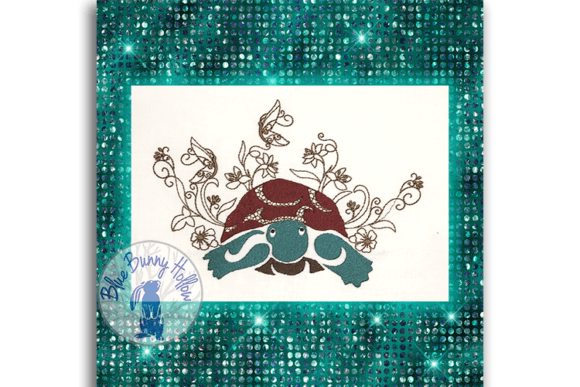
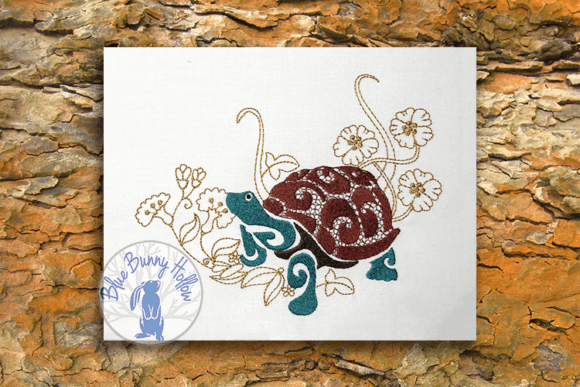
The moment you open the file for Land Turtle 1, the mood is immediately apparent. It is not merely a technical representation of a turtle; it is a charming and delightful depiction that brings a touch of playfulness to any project. The design strikes a delicate balance between sweet and elegant, making it versatile enough for various niches. For the baby product creator, it feels gentle and safe. For the wedding gift designer, it offers a unique, non-traditional symbol of longevity and steady love.
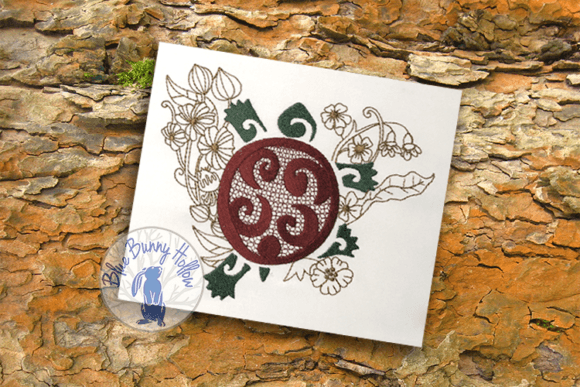
From a professional standpoint, the detail level is impressive without being overwhelming. The lines are clean, suggesting that the digitizer understood the importance of stitch direction and flow. This matters because when you are selling a personalized gift, the perceived value is directly tied to the quality of the execution. A design that looks crisp on screen but pucker or distort on fabric will kill customer trust instantly. Land Turtle 1 appears robust, promising a high-quality handmade product that stands up to close inspection.
Perfect Applications for Personalized Gifts
One of the most exciting aspects of reviewing a design like this is visualizing its end use. Land Turtle 1 is incredibly adaptable. Here is where I see the highest potential for success in your Etsy listings or physical boutique:
- Baby Embroidery and Nursery Decor: Turtles are timeless symbols in nurseries. They represent patience, protection, and a slow, steady pace of life—qualities every parent hopes for their child. Stitching this onto a blanket embroidery piece or a soft cotton onesie creates an instant heirloom. The playful nature of the design ensures it appeals to modern parents looking for something less generic than standard stars or moons.
- Kitchen Towels and Aprons: For the crafter focusing on home goods, this design adds a whimsical touch to daily routines. An embroidered towel featuring a land turtle can become a conversation starter at dinner parties. It fits perfectly into farmhouse or cottage-core aesthetics that remain popular among buyers.
- Wedding Keepsakes and Custom Totes: Weddings are moving away from strict formality toward personal expression. A custom tote bag embroidered with Land Turtle 1 could serve as a unique favor or a bridal party gift. The turtle’s association with long journeys makes it a subtle metaphor for the marriage ahead. It also works beautifully on pillow covers for the newlyweds’ first home.
- Digital Product Sellers: If you sell mockups or templates, this design is a goldmine. Its clear silhouette allows for easy color swapping in digital previews, helping customers visualize the final result before purchase.
Strategic Considerations and Limitations
While Land Turtle 1 is excellent, no single design is perfect for every scenario. As an experienced designer, I must advise caution in specific applications to ensure your reputation remains intact. There are areas where this design requires careful handling:
- Small Lettering and Delicate Details: While the turtle itself is well-defined, if you plan to add intricate monograms or tiny text around the edges, ensure the total design density does not exceed the capacity of your machine. Fine details can get lost if the fabric is too thick or the stabilizer is insufficient.
- Textured and Thick Fabrics: Avoid using this design on heavy terry cloth towels or highly textured wools without proper stabilization. The needle penetration required for a detailed reptile design might struggle with dense fabrics, leading to skipped stitches or fabric distortion.
- Stretchy Baby Clothes: When embroidering on knit fabrics like jersey for baby clothes, you must use a high-quality cut-away stabilizer. Stretchy surfaces can cause the design to warp during stitching. Always test on a scrap piece of the exact same fabric first.
- Curved Surfaces: Applying this flat design to curved items like the sides of mugs or rounded hat crowns can be challenging. The turtle’s body shape may look distorted if not carefully aligned on a curve.
- Dark Fabric Contrast: On dark backgrounds, you will need a substantial underlay and potentially a backing layer to prevent the fabric color from showing through the lighter threads. Check your thread colors carefully against your chosen fabric to maintain the design’s clarity.
Boosting Giftability and Perceived Value
In the competitive landscape of commercial embroidery, how a product looks in photographs is just as important as how it stitches. Land Turtle 1 has strong photographic appeal. Its distinct shape and charming expression make it easy to feature in lifestyle shots. Whether placed next to a cup of coffee on a kitchen counter or nestled in a crib, the design draws the eye.
This visual clarity boosts customer trust. Buyers want to know that what they see is what they get. By providing high-quality printable mockup images that accurately reflect the stitch density and texture, you reduce return rates and increase buyer engagement. The design evokes an emotional connection; people buy turtles not just because they like reptiles, but because they associate them with calmness and endurance. Leveraging this narrative in your product descriptions can significantly enhance the perceived value of your small shop product.
Practical Embroidery Notes for Success
Before you start fulfilling orders, there are essential technical steps to take. First, always test on scrap fabric. This is non-negotiable. You need to confirm the hoop size accommodates your design comfortably while allowing room for personalization elements like names or dates.
Review the stitch density closely. A dense design on thin fabric can feel stiff and uncomfortable, ruining the hand-feel of a baby blanket. Conversely, a light design on thick fabric may lack definition. Use the proper stabilizer for your fabric type—water-soluble for delicates, tear-away for stable wovens, and cut-away for knits.
Finally, compare light and dark fabric mockups digitally before committing to production runs. Ensure that the thread colors pop against your base material. And remember, if you intend to sell finished products, verify your commercial licensing terms. Most digital embroidery files come with specific restrictions regarding how many units you can produce. Respecting these terms protects your business and supports the digitizers who create these beautiful assets.
In conclusion, Land Turtle 1 is a versatile, emotionally resonant addition to any embroiderer’s library. It bridges the gap between playful art and functional decor, offering endless possibilities for custom embroidery projects. With careful attention to fabric choice and stabilization, it promises to deliver finished products that customers will cherish for years to come.