Sea Turtle 6 Embroidery Review
When I sit down to evaluate a new embroidery design, my first instinct is always practical: will this stitch well? Will it hold up in the wash? And most importantly, will the end customer feel like they bought something special? Today, I’m looking at Sea Turtle 6, a piece categorized under Reptiles that promises to bring an aquatic charm to your projects. As someone who has stitched thousands of designs for clients and personal use, I don’t just look at the digital preview; I think about the finished product sitting on a shelf or being worn by a child.
The First Impression: Mood and Visual Personality
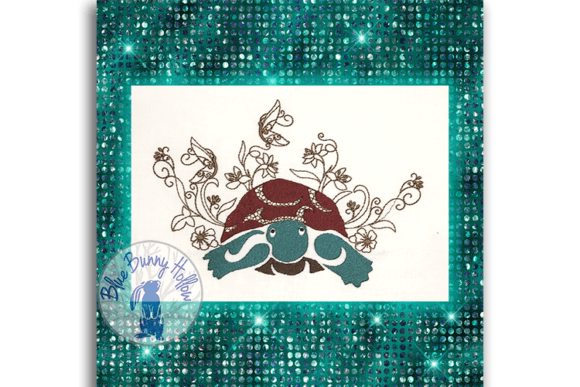
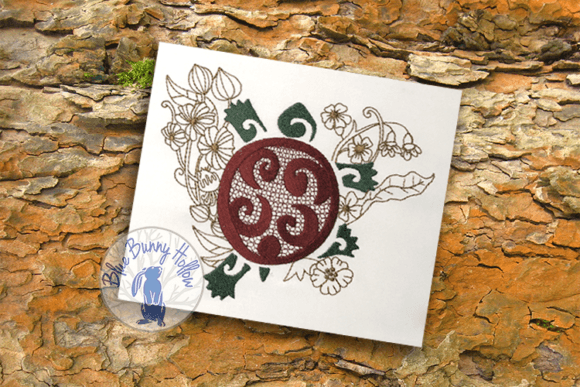
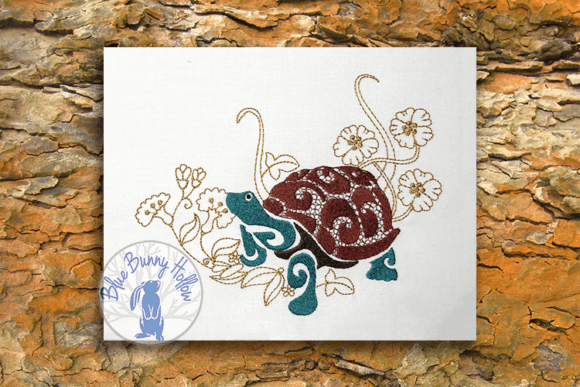
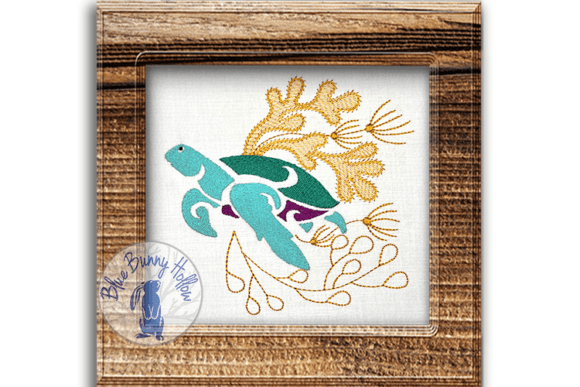
At a glance, Sea Turtle 6 feels serene but dynamic. The description mentions a turtle "gracefully navigating through aquatic realms," and you can see that intent in the flow of the lines. It isn’t a stiff, rigid graphic; it has a sense of movement. For a designer, this is crucial. A static image can sometimes translate into a flat, lifeless embroidery if the underlying design lacks rhythm. Here, the curves suggest water currents and the gentle push of flippers, which gives the design a natural personality.
The visual weight of the turtle is balanced well. It’s not overly intricate to the point where details get lost in thread, nor is it so simple that it looks like a beginner’s practice hoop. It strikes that sweet spot that makes for a high-quality handmade product. When I imagine this stitched out, I picture a rich texture that invites touch, which is exactly what you want when you are trying to build trust with a buyer on Etsy or at a craft fair.
Real-World Application: Where Does Sea Turtle 6 Shine?
Let’s talk about real scenarios. I recently had a client request a custom gift for a niece who loves marine life. She wanted something soft, safe, and visually appealing for a nursery setting. Sea Turtle 6 immediately came to mind. Here is how I would approach this specific project:
- Baby Apparel and Nursery Decor: The gentle theme fits perfectly with baby clothes, blankets, or pillow covers. The rounded shapes of the turtle are forgiving on soft fabrics like cotton jersey or minky. However, because babies are sensitive, I always recommend testing the stitch density to ensure it isn’t too scratchy against delicate skin.
- Tote Bags and Market Totes: This design works beautifully as a central motif on a canvas tote bag. The contrast between the sturdy fabric and the detailed stitching creates a professional look. It elevates a basic $5 tote into a boutique item that can be sold for much more. It’s a classic tote bag design that appeals to eco-conscious shoppers.
- Sweatshirt Embroidery: For fall and winter collections, placing Sea Turtle 6 on the chest or back of a sweatshirt adds a unique touch. It moves away from the typical holiday clichés and offers a year-round appeal. The design’s clarity ensures it remains visible even on textured fleece materials.
- Embroidered Patches: If you are creating detachable patches for denim jackets or backpacks, this design translates well. The outline provides a clear boundary for trimming, making it easy to finish into a wearable embroidered patch.
For small business owners and Etsy sellers, versatility is key. Sea Turtle 6 isn’t limited to one niche. It bridges the gap between children’s items, home decor, and adult accessories. This flexibility means you can market it across multiple categories without diluting your brand identity.
Technical Considerations and Potential Pitfalls
No design is perfect for every situation. As an experienced reviewer, I need to highlight where Sea Turtle 6 might require extra caution. Embroidery is a physical process, and thread behaves differently than ink on paper.
Fabric Texture and Stability: While this design looks great on smooth cottons, be careful with highly textured fabrics like heavy bouclé or loose-weave linens. The needle penetration might cause distortion, or the thread might not lay flat. Always use a proper stabilizer—cut-away for stretchy fabrics and tear-away for stable wovens—to keep the shape crisp. If you are working with thin fabric, double-stabilize to prevent puckering.
Small Hoop Sizes: If you are attempting to stitch this in a very small hoop (like 3x3 inches), pay close attention to the fine details. Small running stitches or tiny fill areas might merge together, losing their definition. I advise scaling the design slightly larger if possible, or inspecting the digitizing closely to ensure the smallest elements are large enough to be stitched clearly.
Thread Color Contrast: The success of any machine embroidery design often hinges on color choice. On dark fabrics, you’ll need a high-contrast thread palette to make the turtle pop. On light fabrics, you have more freedom, but be mindful of shadow effects. I always test my thread choices by holding them up to the fabric before committing to a full run. If the colors are too similar, the depth of the design will vanish.
Curved Surfaces: If you plan to embroider this onto a cap or a curved hat brim, remember that flat designs can distort when wrapped around a curve. You may need to adjust the hooping technique or use a specialized cap frame to maintain the integrity of the turtle’s shape.
Design Assets and Commercial Viability
For those selling finished goods or digital product sellers offering design assets, understanding the value proposition is essential. Sea Turtle 6 has a broad appeal. It taps into the popular themes of nature, ocean conservation, and mindfulness. These are emotional triggers that drive sales.
When presenting this in a printable mockup for your online store, focus on lifestyle imagery. Show the turtle on a beach-themed towel, a child’s summer dress, or a cozy throw blanket. This helps the buyer visualize the finished product in their own home. High-quality mockups increase conversion rates because they reduce uncertainty.
If you are using this for commercial embroidery, ensure you have the correct licensing rights. Many embroidery files come with specific terms regarding how many units you can sell. Even if the file is affordable, violating license agreements can lead to serious legal issues. Always check the provider’s terms before mass-producing items.
Final Verdict: Is Sea Turtle 6 Worth Your Time?
In my assessment, Sea Turtle 6 is a strong contender for any designer’s library. It balances aesthetic charm with technical feasibility. It is not an overly complex piece that requires hours of editing, yet it is detailed enough to feel premium. It is ideal for personalized gifts, holiday embroidery projects, and everyday wearables.
Before you start stitching, here is my checklist for success:
- Test on Scrap Fabric: Never go straight to your final garment. Stitch the design on a scrap piece of the same material to check tension and stability.
- Review Stitch Density: Ensure the fill stitches are not too dense, which can make the fabric stiff and uncomfortable.
- Inspect Small Details: Zoom in on the digital file. Are there any tiny isolated stitches that might break easily? If so, consider simplifying or reinforcing them.
- Confirm Hoop Size: Make sure your machine’s hoop can accommodate the design dimensions comfortably.
- Check Licensing: Verify that you are allowed to sell the finished items if you are running a business.
Ultimately, Sea Turtle 6 brings a splash of oceanic creativity to your work. It is reliable, attractive, and versatile. Whether you are a hobbyist making a gift for a friend or a craft business owner preparing inventory for the next season, this design deserves a spot in your rotation. It reminds us that good embroidery isn’t just about following instructions; it’s about capturing a feeling. And this little sea turtle definitely captures the spirit of calm exploration.