Review: Number 7 Embroidery Design for Holiday Markets
As an embroidery designer who spends weekends hunched over a sewing machine and weekdays organizing booth displays, I have learned that not every digital file translates into a sellable craft fair product. Some designs look beautiful on a screen but fail to capture attention in person. Today, I am reviewing the Number 7 design to determine if it has the potential to drive sales at upcoming Christmas markets and handmade fairs.
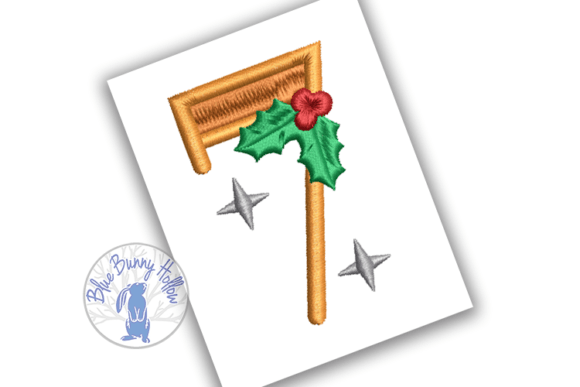
This specific design features the digit seven adorned with holy leaves and berries, offering a festive touch that feels both traditional and cheerful. The question is whether this combination of typography and botanical elements works as a standalone embroidery file or if it requires careful context to shine.
First Impressions and Visual Appeal
When I first loaded the Number 7 design into my hoop, my immediate reaction was one of quiet elegance. It does not scream for attention with neon threads or overly complex graphics; instead, it relies on a classic aesthetic that resonates deeply with holiday shoppers. The inclusion of holy leaves and berries provides a natural frame that softens the geometry of the number, making it feel less like a statistic and more like a decorative accent.
In terms of style, this design sits comfortably in the "rustic modern" category. It appeals to customers who appreciate farmhouse décor but want something slightly more refined than standard stenciled lettering. The visual balance is strong. The curves of the seven interact well with the organic shapes of the leaves, creating a composition that is easy on the eyes. For an Etsy seller or boutique maker, this means the design has broad appeal without being too niche.
The color palette implied by "holy leaves and berries" suggests deep greens and rich reds, which are staples of holiday marketing. These colors photograph exceptionally well, meaning your printable mockup will likely perform well in online listings. However, the success of this visual appeal depends heavily on thread choice and fabric contrast.
Product Application and Versatility
One of the most critical factors for a commercial embroidery design is versatility. Can this design be applied to multiple products without looking out of place? In my experience, the Number 7 design proves highly adaptable across various handmade product categories.
Kitchen Textiles and Home Décor
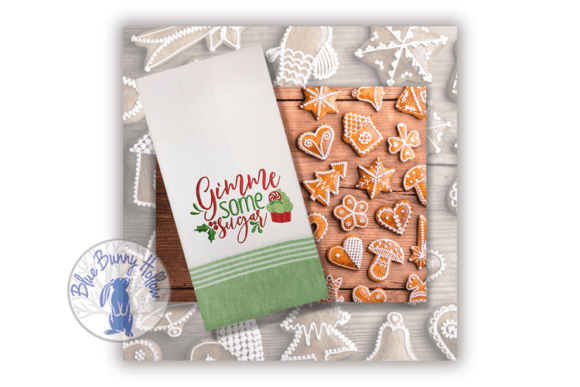
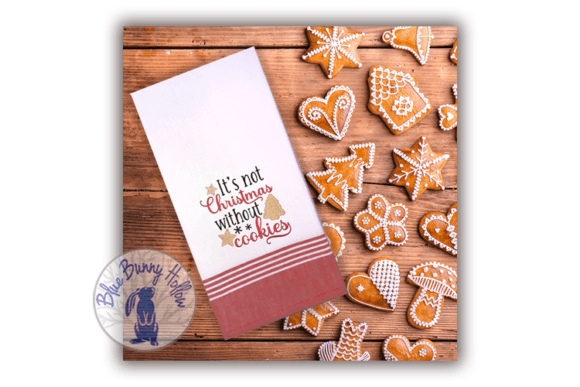
The design’s festive nature makes it an ideal candidate for seasonal kitchen items. An apron embroidery featuring this motif would stand out in a crowded market stall. The berry accents complement the warmth of a kitchen environment, making it a perfect gift for hosts. Similarly, a tea towel embroidery application allows the design to serve as a functional piece of art. Because the design is relatively compact, it works beautifully on the hem of a tea towel or centered on a small dish towel.
Apparel and Accessories
For apparel, the Number 7 design shines as a subtle statement piece. On a tote bag design, placing the seven near the handle or center chest creates a chic, understated look that appeals to younger demographics. It also works well on caps, where the curve of the digit can follow the contour of the hat front. However, care must be taken with curved surfaces to ensure the leaves do not distort.
Additionally, this design translates effectively to smaller items. A patch version could be sold as a collectible item or attached to denim jackets and backpacks. Fabric pouches and pillow covers offer another avenue for revenue, allowing you to create coordinated sets that encourage higher average order values.
Production Practicality and Quality Control
From a production standpoint, efficiency is key. If a design takes too long to stitch, your profit margins shrink. While exact stitch counts vary by software, the Number 7 design appears to have a moderate density. The leaf details require precision, so inspecting the stitch density is crucial. If the stitches are too dense, the fabric may pucker; if too sparse, the berries may lose definition.
Key Production Notes:
- Hoop Size: Confirm the recommended hoop size before starting. A design that fits perfectly in a 4x4 hoop may need resizing for larger projects, which can alter the aspect ratio of the leaves.
- Stabilizer Choice: Use a cut-away stabilizer for stretchy fabrics like caps or jersey, and a tear-away for stable cottons like aprons and towels. This ensures the integrity of the finished product.
- Fabric Texture: Be cautious when embroidering on textured towels. The raised weave can interfere with the needle, causing skipped stitches. A water-soluble topping may help maintain clarity.
- Thread Contrast: Ensure high contrast between the thread and fabric. Dark green leaves on black fabric may disappear, while bright red berries on white cotton will pop. Always test on scrap fabric first.
Selling Strategy and Customer Engagement
At a craft fair, your display tells a story. The Number 7 design offers a unique narrative hook. You can position it as a lucky charm, a birthday gift, or simply a festive accent. This flexibility increases its value as a small shop product.
Consider creating a "Lucky Seven" bundle. Pair an embroidered tote bag with a matching tea towel and a patch. This encourages buyers to purchase multiple items rather than just one. The cohesive look of the design assets working together enhances the perceived quality of your brand.
Photography plays a vital role in converting interest into sales. When setting up your booth samples, ensure the lighting highlights the texture of the embroidery. The three-dimensional quality of the satin stitches on the number and the fill stitches on the leaves should be visible. Close-up shots of the berry details can be used in your Etsy listings to showcase craftsmanship.
Final Verdict
The Number 7 embroidery design is a strong contender for holiday market success. Its blend of typographic clarity and botanical charm makes it suitable for a wide range of applications, from kitchen textiles to fashion accessories. It meets the criteria for a successful machine embroidery design: it is visually appealing, versatile, and produces a high-quality finished product.
However, success depends on execution. Take the time to test the design thoroughly. Check the spacing, confirm the commercial licensing rights, and experiment with different thread colors to find the perfect match for your brand. By paying attention to these details, you can transform a simple digit into a standout craft fair product that customers will love.
For those looking to expand their inventory with a festive yet timeless design, Number 7 delivers both aesthetic value and practical utility. It is a smart addition to any digital embroidery file library aimed at the handmade market.